Two decades newer
Elburn's median year built is 1999, a good two decades newer than the 1976 median across the broader service area where most stock dates from 1959 through 2009.
Elburn, DeKalb
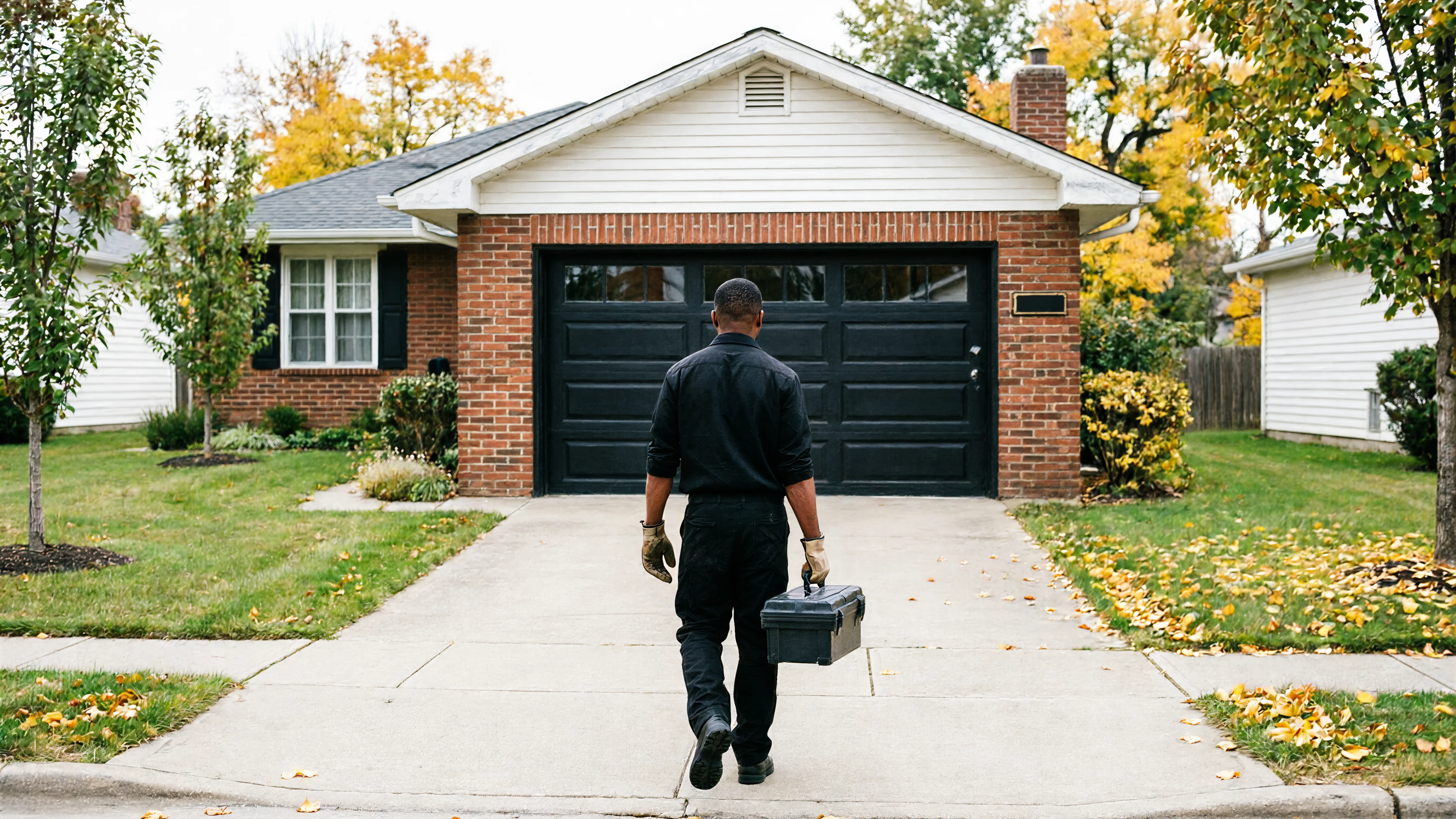
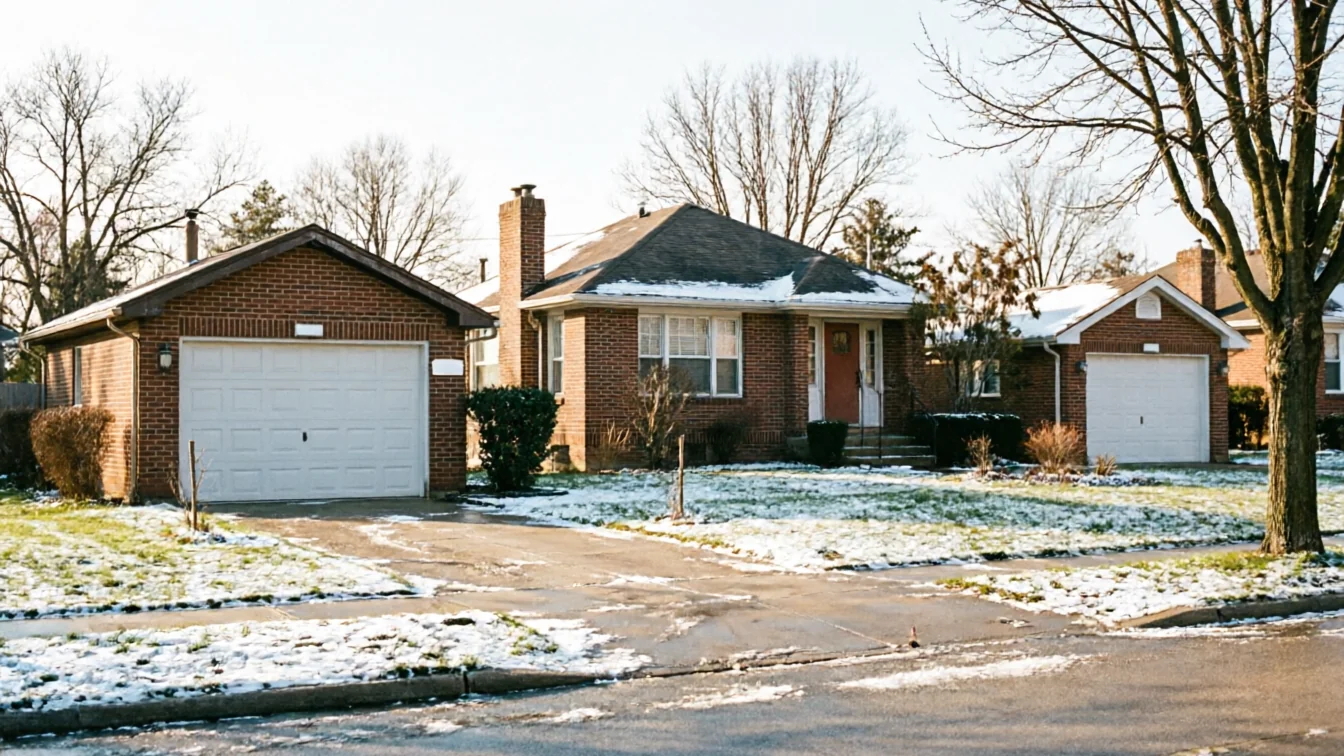
Elburn runs about 2,479 households, newer construction than most of the DeKalb service area. We drive out 15 miles to fix openers built for homes raised after 1999.
Watch-outs
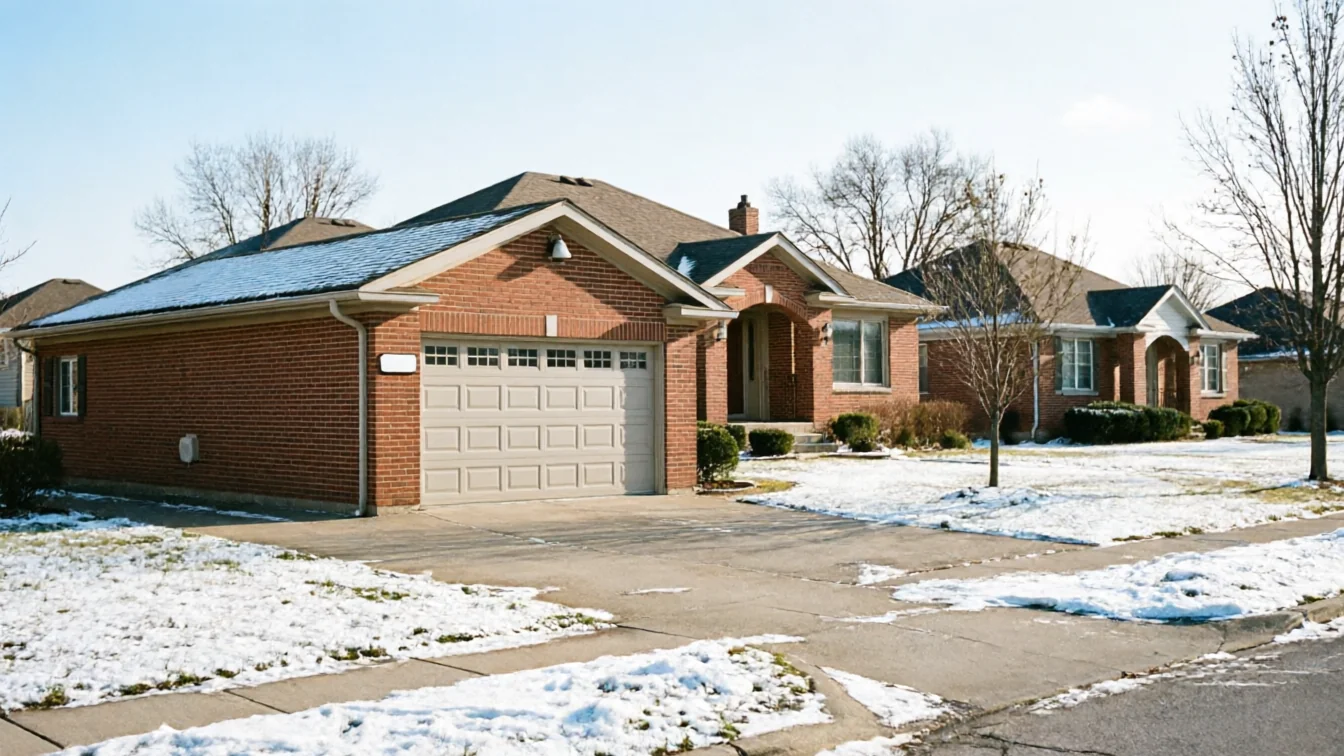
Elburn is a small place - about 2,479 households, a fraction of the 36,266 across the whole area we cover out of DeKalb. That size matters for opener work in a specific way: fewer houses means fewer calls, but it also means the housing stock skews newer and more uniform than towns closer to our shop.
Elburn's median year built is 1999, a good two decades newer than the 1976 median across the broader service area where most stock dates from 1959 through 2009.
That difference shows up the moment you open the panel on the wall unit. You're not dealing with the chain-drive, mechanical-limit openers from the 1970s that half of DeKalb still runs.
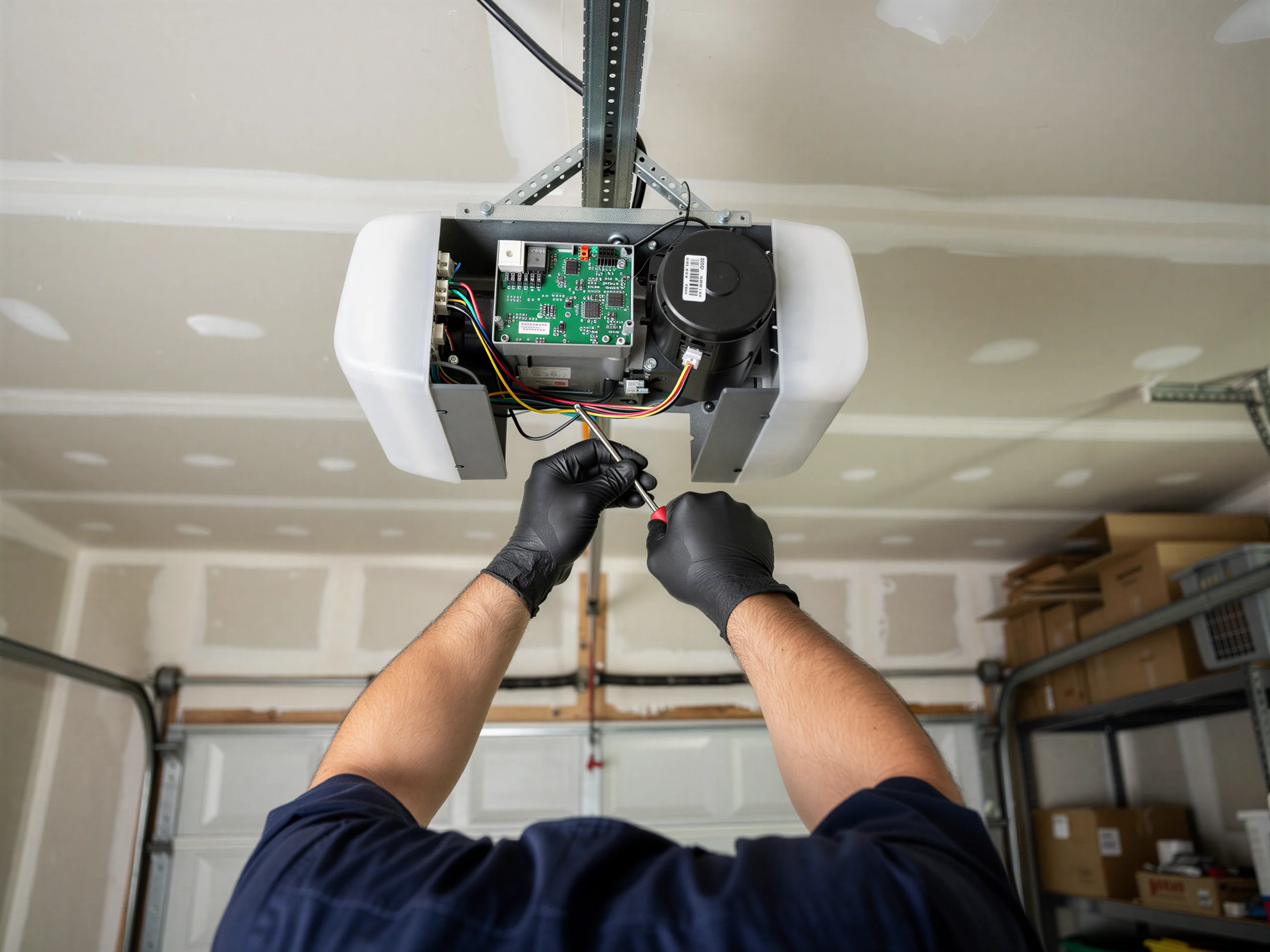
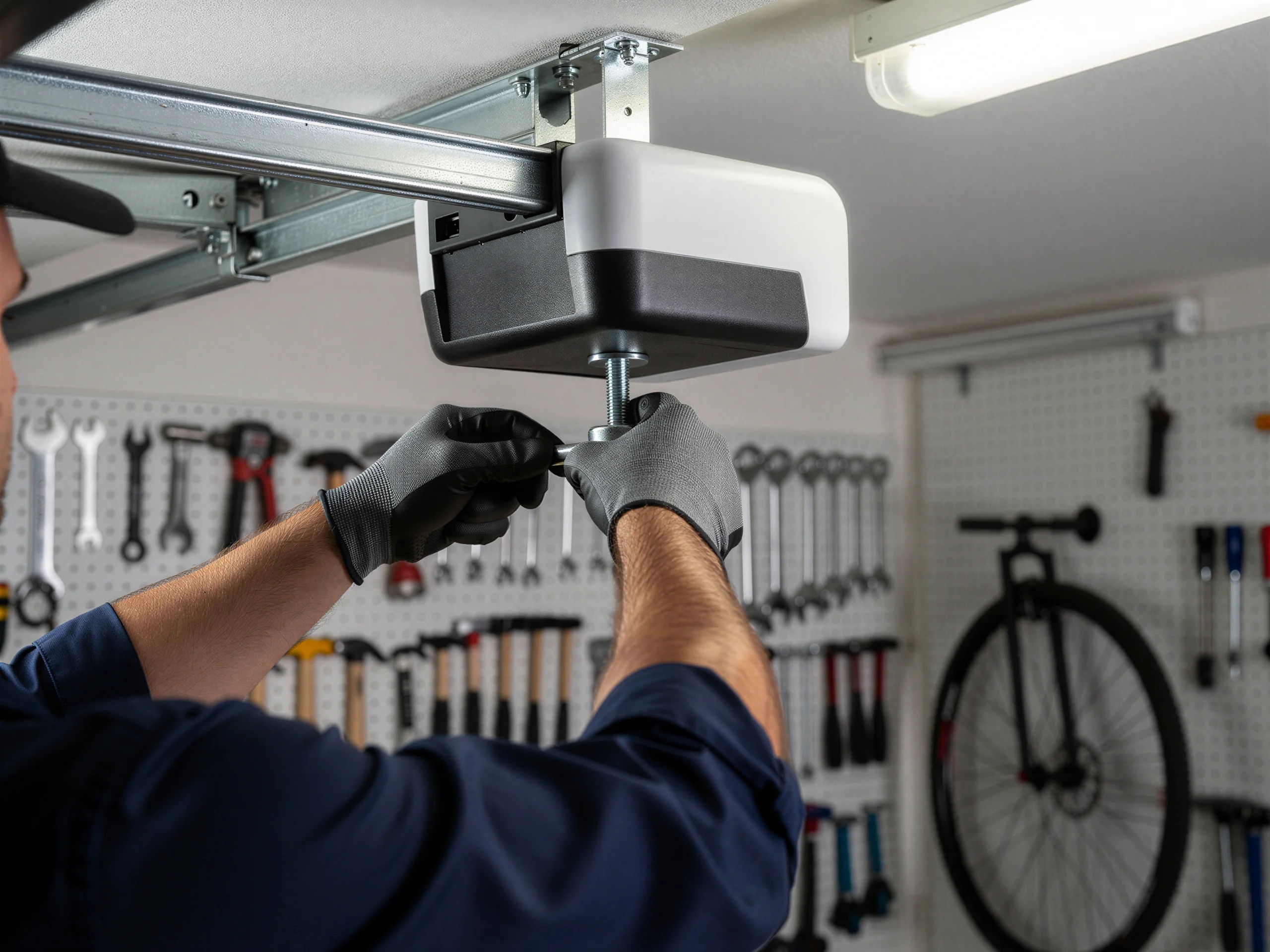
You're more likely looking at a late-90s or 2000s screw-drive or belt-drive unit with circuit board logic boards, early safety-reversal sensors, and plastic gears that have had twenty-plus years of winters to go brittle. The failure modes are different: board corrosion and sensor misalignment outpace the worn gear-and-sprocket wear you see on older units.
Our process
We start with the logic board and the safety sensors before we touch the motor, because on a circa-1999 to mid-2000s opener, that's where the failure usually sits. Cold-soaked circuit boards in this climate band (classified COLD, severe) suffer from condensation cycling that corrodes contacts over time - a slow failure that looks intermittent before it looks total. We test the photo-eye alignment, check the wall console wiring, and verify the drive mechanism (belt, chain, or screw) for wear separately from the electronics, since on these units the two rarely fail together. If the motor itself is still good - and on homes built this recently, it often is - we replace the board or sensors rather than the whole unit. That keeps the cost down and the repair honest.
Local causes
A lot of generic opener troubleshooting advice assumes the oldest, simplest systems: no sensors, no board, just a motor and a chain. That advice doesn't fit a town where the median home went up in 1999. Elburn's stock is new enough that most openers already have the federally mandated photo-eye safety reversal sensors (required since 1993), so a 'door won't close' complaint here is far more often a sensor alignment or dirty-lens problem than a mechanical jam. The area's median household income, at $106,506, also runs noticeably above the broader service area's $89,488 - which in practice means more owners here are running newer, feature-heavier openers (Wi-Fi modules, battery backup) that add more points of electronic failure than a bare-bones unit has.
Warning signs
The call usually starts one of two ways. Either the door reverses before it touches the floor - nine times out of ten that's a sensor out of alignment or a lens fogged with garage dust, not a spring or cable problem - or the opener runs but the door doesn't move, which on a belt or screw-drive unit from this era usually means a stripped drive gear inside the motor housing, a known weak point on units pushing twenty-plus years old.
Less often, the wall console goes dead entirely while the remote still works, which points straight at the wiring or the console itself rather than the motor.
We've also seen battery-backup units here that run fine until the backup battery dies and takes the board's power regulation down with it.
DIY or pro
Clean the photo-eye lenses with a soft cloth and make sure both sensors point at each other dead-level - that fixes more 'broken opener' calls than anything else, and it costs nothing. Check the wall console battery if it's wireless, and look for a blinking LED code on the motor unit itself; most openers from the late 1990s onward flash a fault code you can look up in the manual. What we won't tell you to do is open the motor housing and replace a stripped gear yourself. Parts for a specific opener model can take a week or more to source, and we won't promise a same-day fix on a part we don't have in the truck.
Booking
We cover Elburn from our DeKalb shop, about 15 miles out, along with Sycamore, Malta, and the rest of the area. There's no local branch here - we schedule the drive as part of the route, so give us a call and we'll work out a time. For a look at the full range of garage door work we do in town, see our Elburn garage doors page, or check opener repair details for the DeKalb area if you want the broader picture.
Questions
Most online troubleshooting guides assume older mechanical openers. Elburn's housing stock has a median build year of 1999, so most homes already run openers with photo-eye safety sensors and circuit boards, which fail differently than the bare motor-and-chain units common in older housing.
No. We run out of DeKalb and drive the 15 miles to Elburn for service calls. There's no local branch or depot here, so we schedule visits as part of our route rather than offering a walk-in location.
It depends on the model. Boards and sensors we often carry on the truck. Specific drive gears or proprietary parts for less common opener brands can take a week or more to source, so we won't promise a same-day full repair on every job.
Explore more
Ready when you are
DeKalb Garage Door Pros repairs and installs garage doors, springs and openers in DeKalb, IL and the surrounding area.