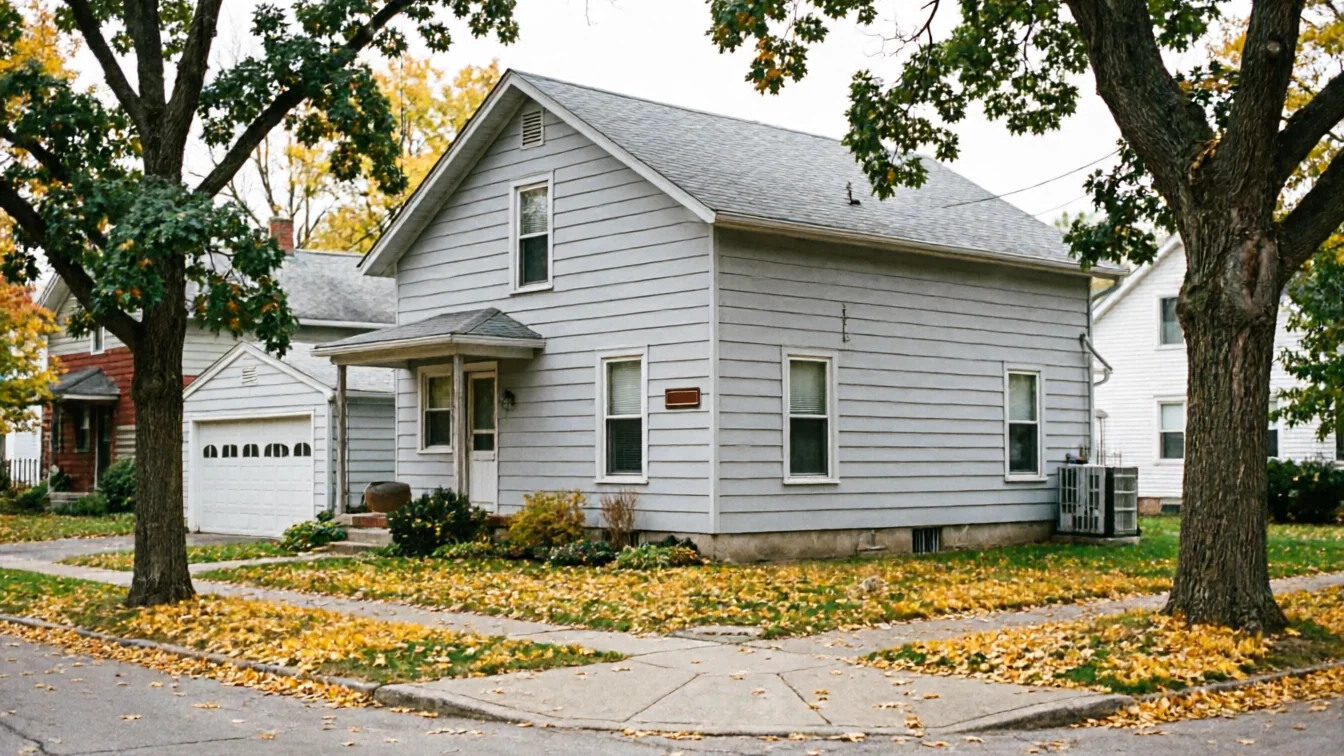
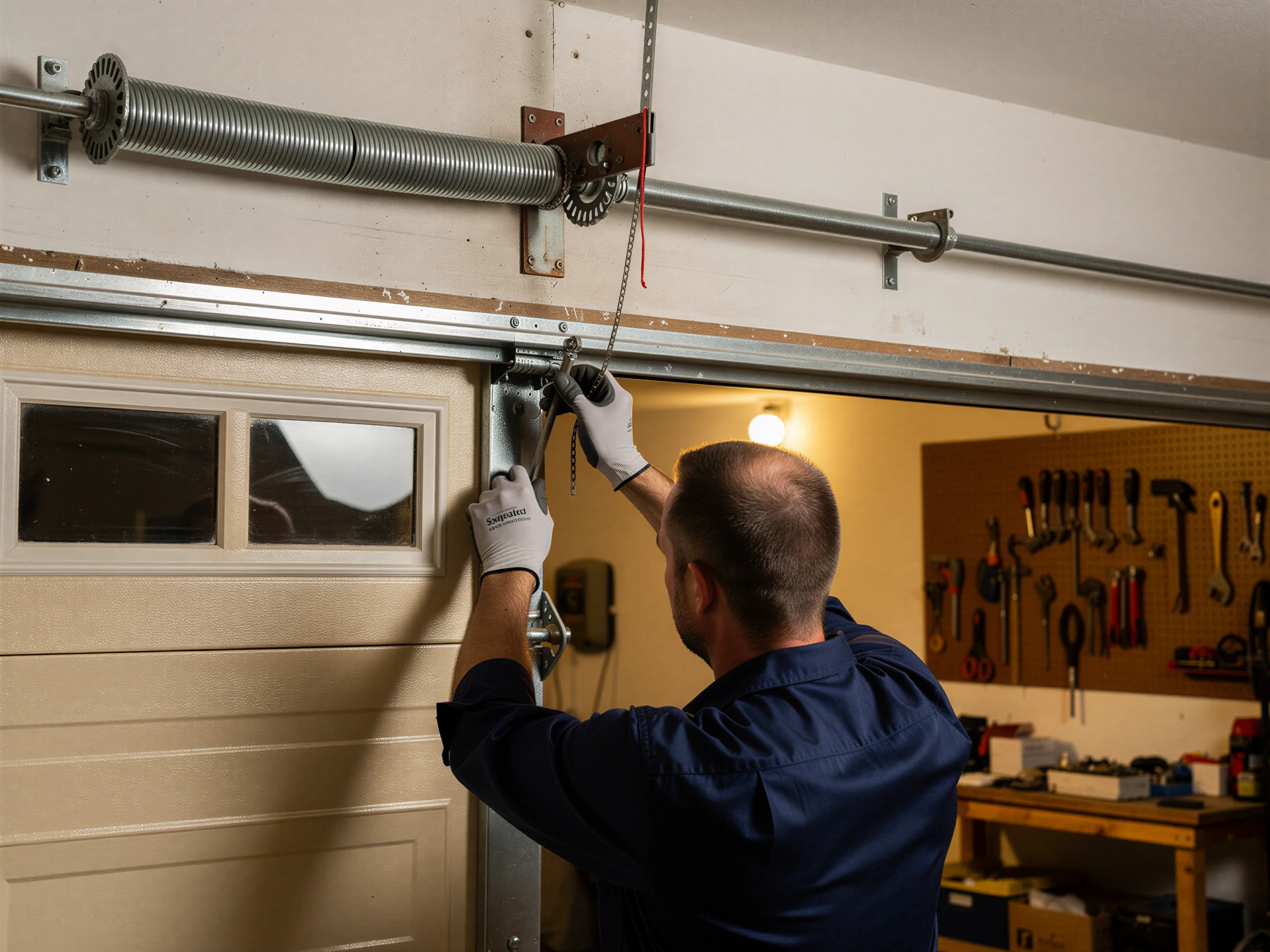
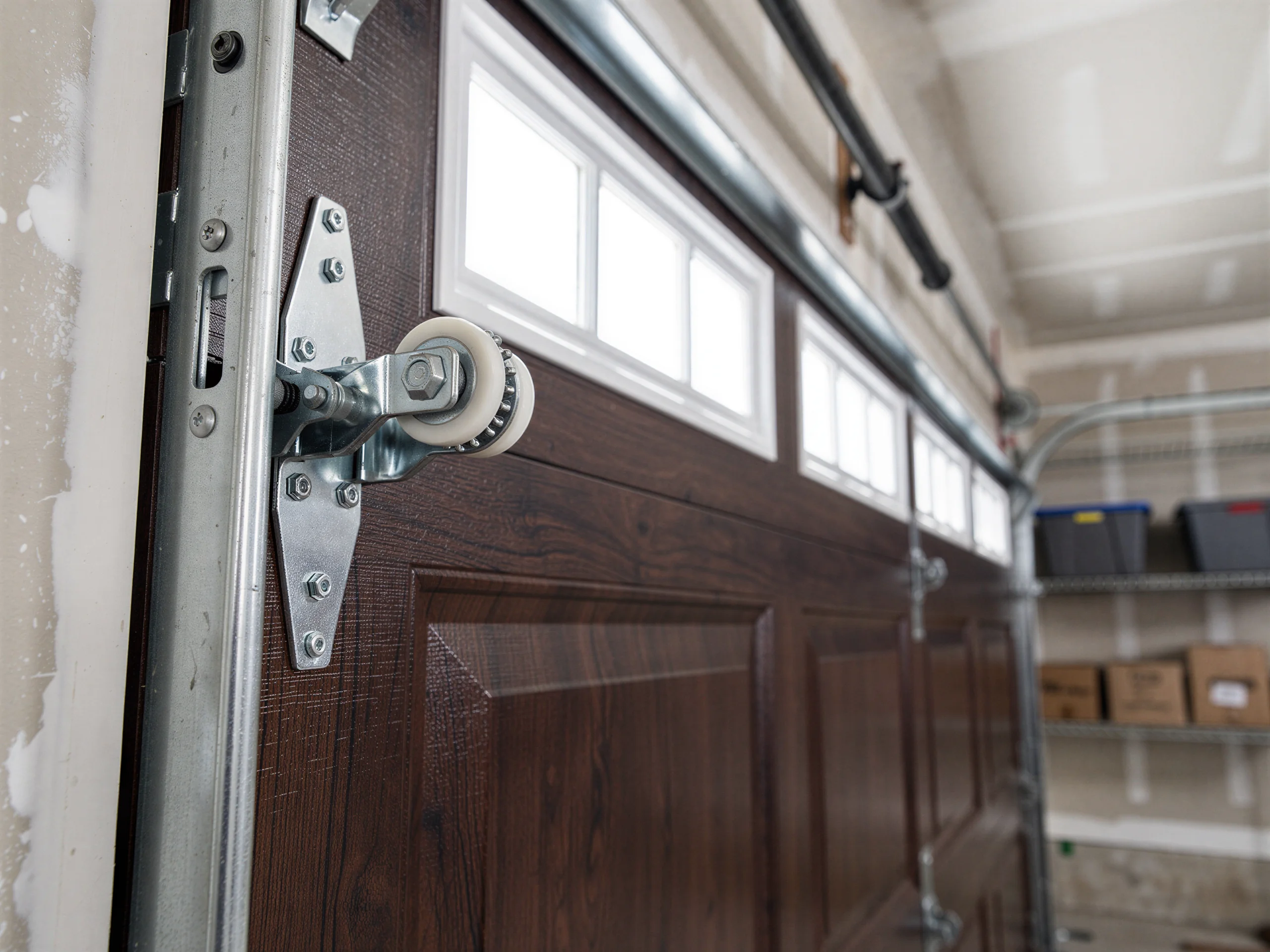
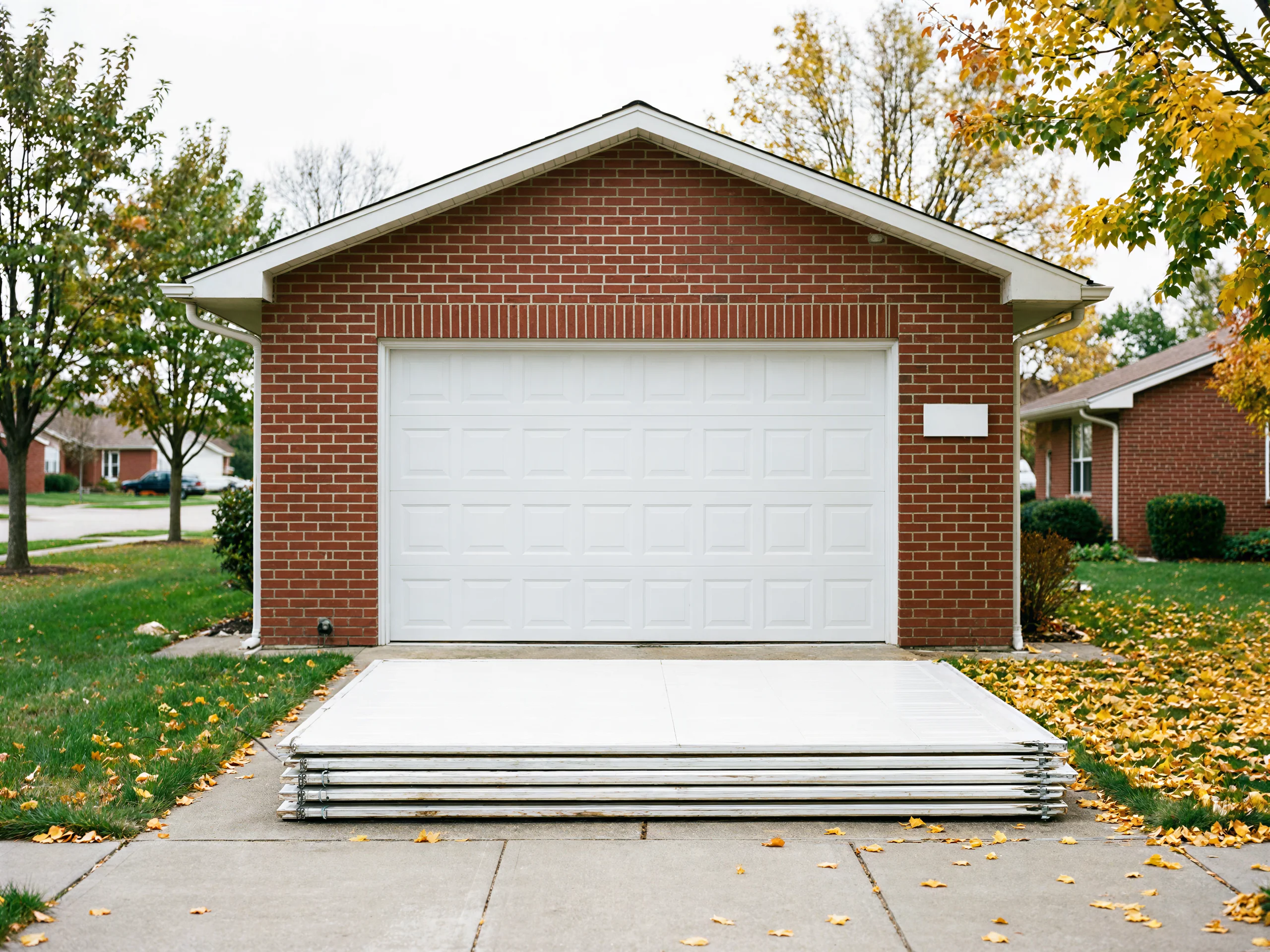
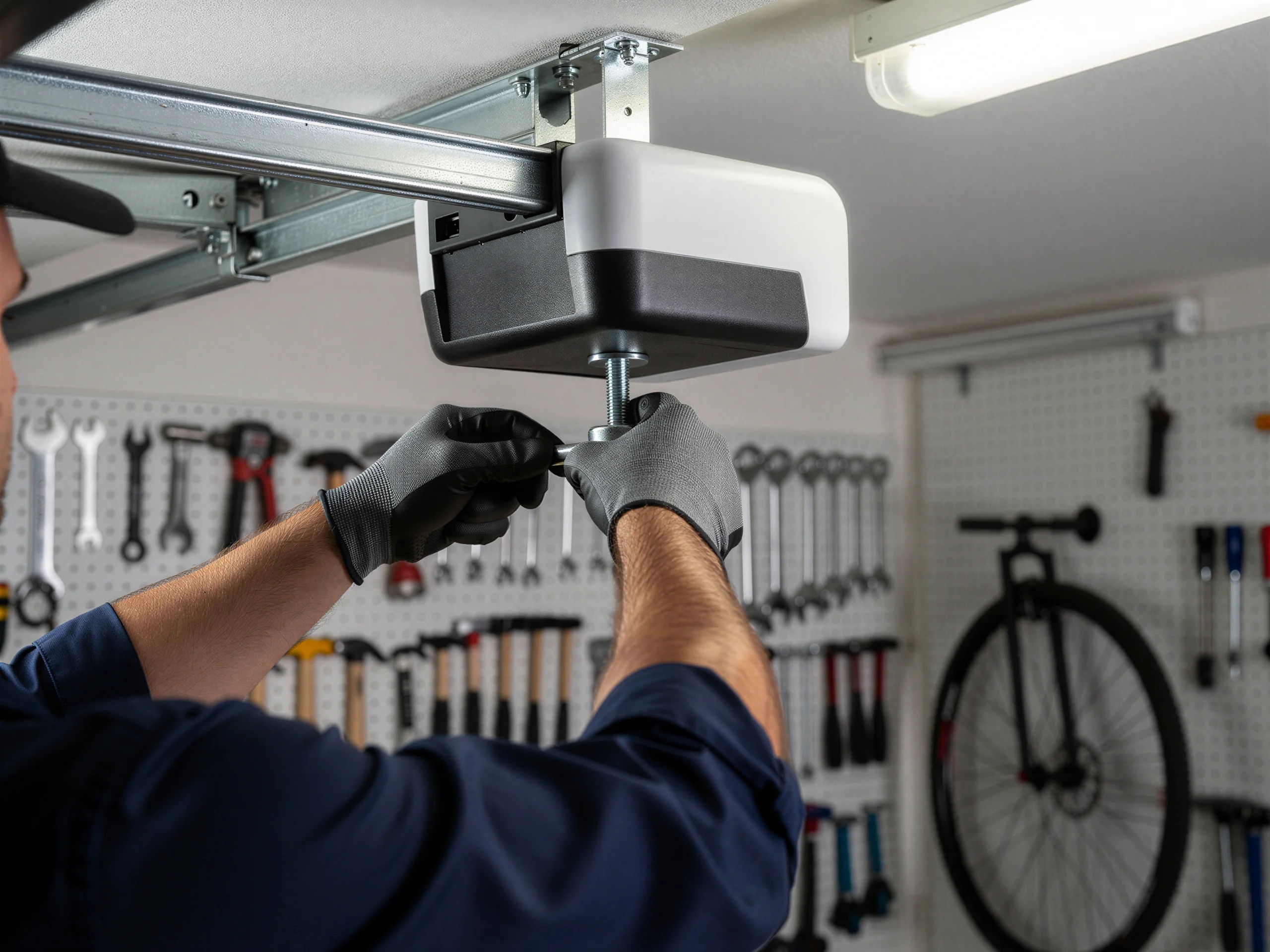
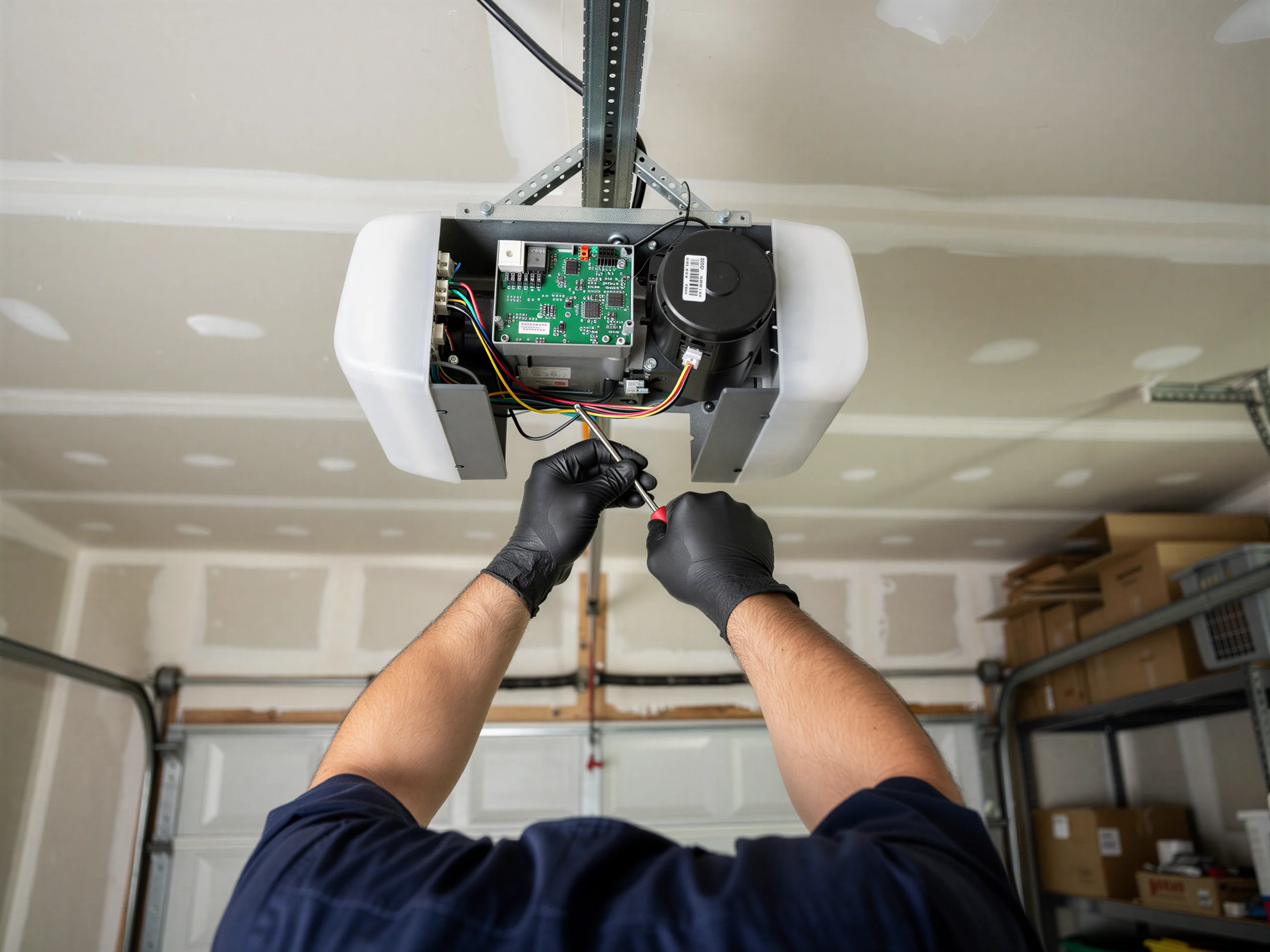
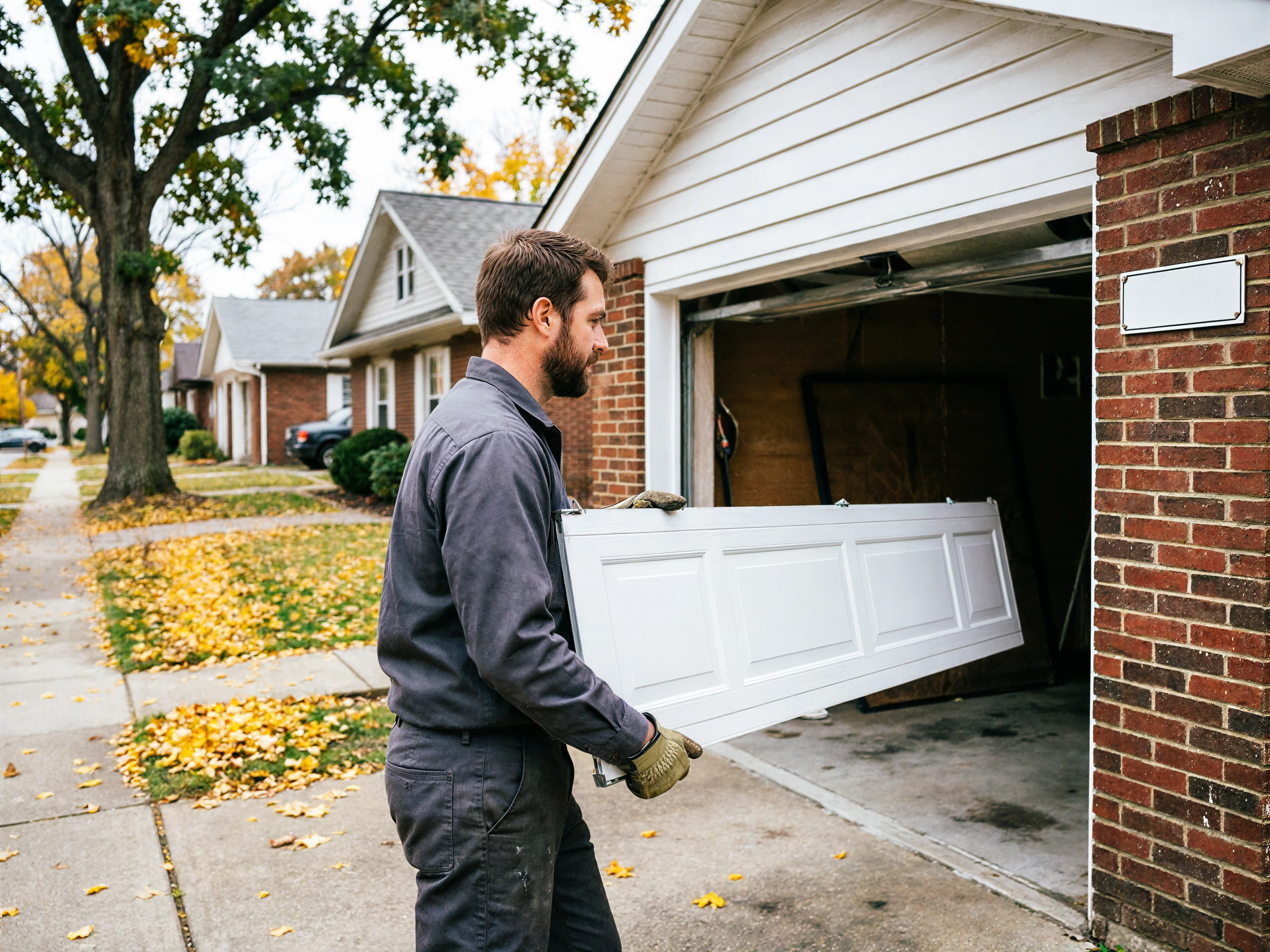
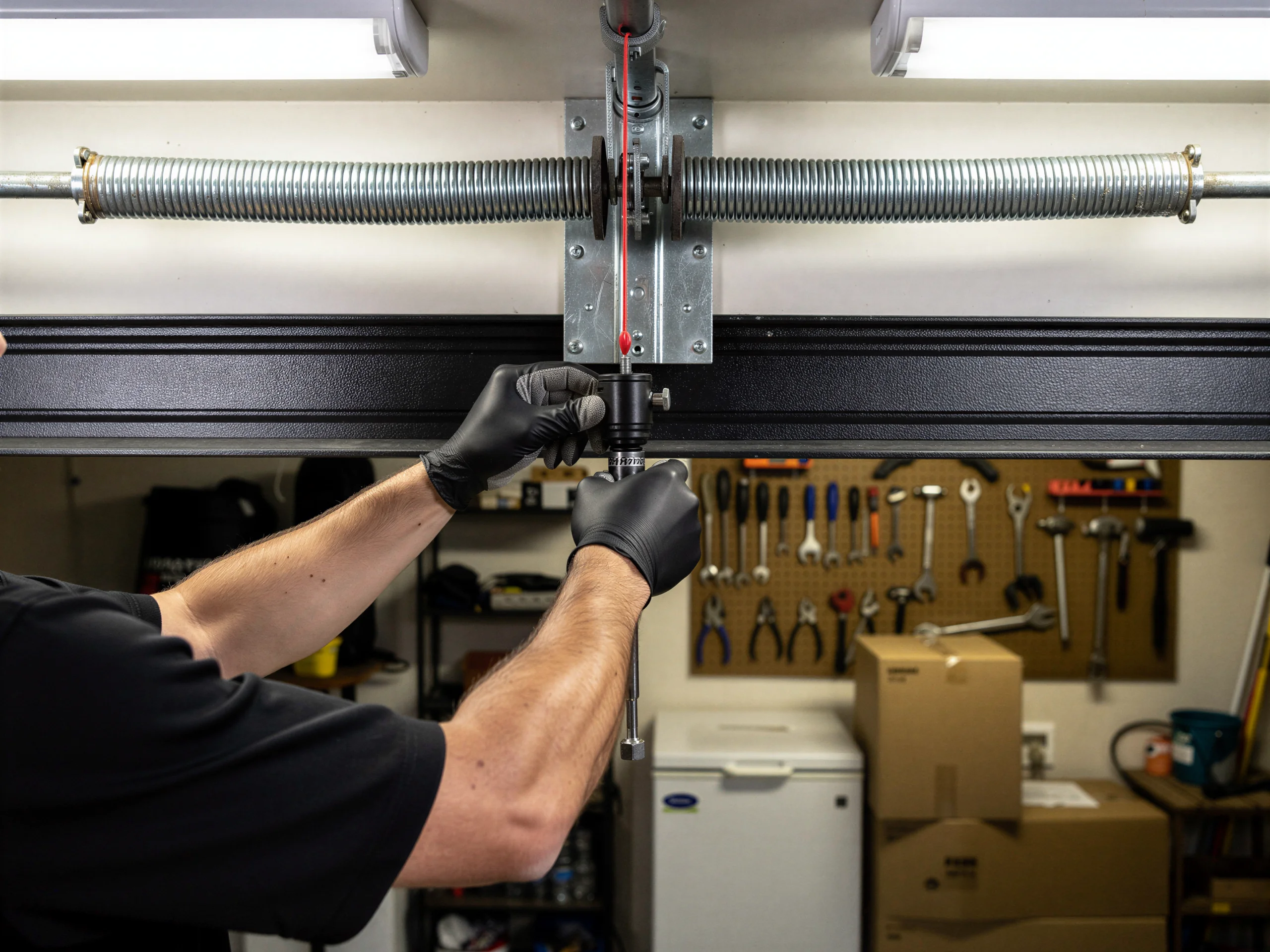
A door installed around 1972 was built for a different set of expectations than what's sold today. Panel gauges were thinner, insulation was often an afterthought or absent, and the torsion spring systems tend to be side-mounted setups that newer techs sometimes haven't trained on, which is part of why those jobs get kicked down the road. Combine that with the climate band here - cold, and severe about it - and you get steel that contracts hard in January, rollers that seize instead of roll, and springs that lose tension faster in homes where the garage itself isn't heated.
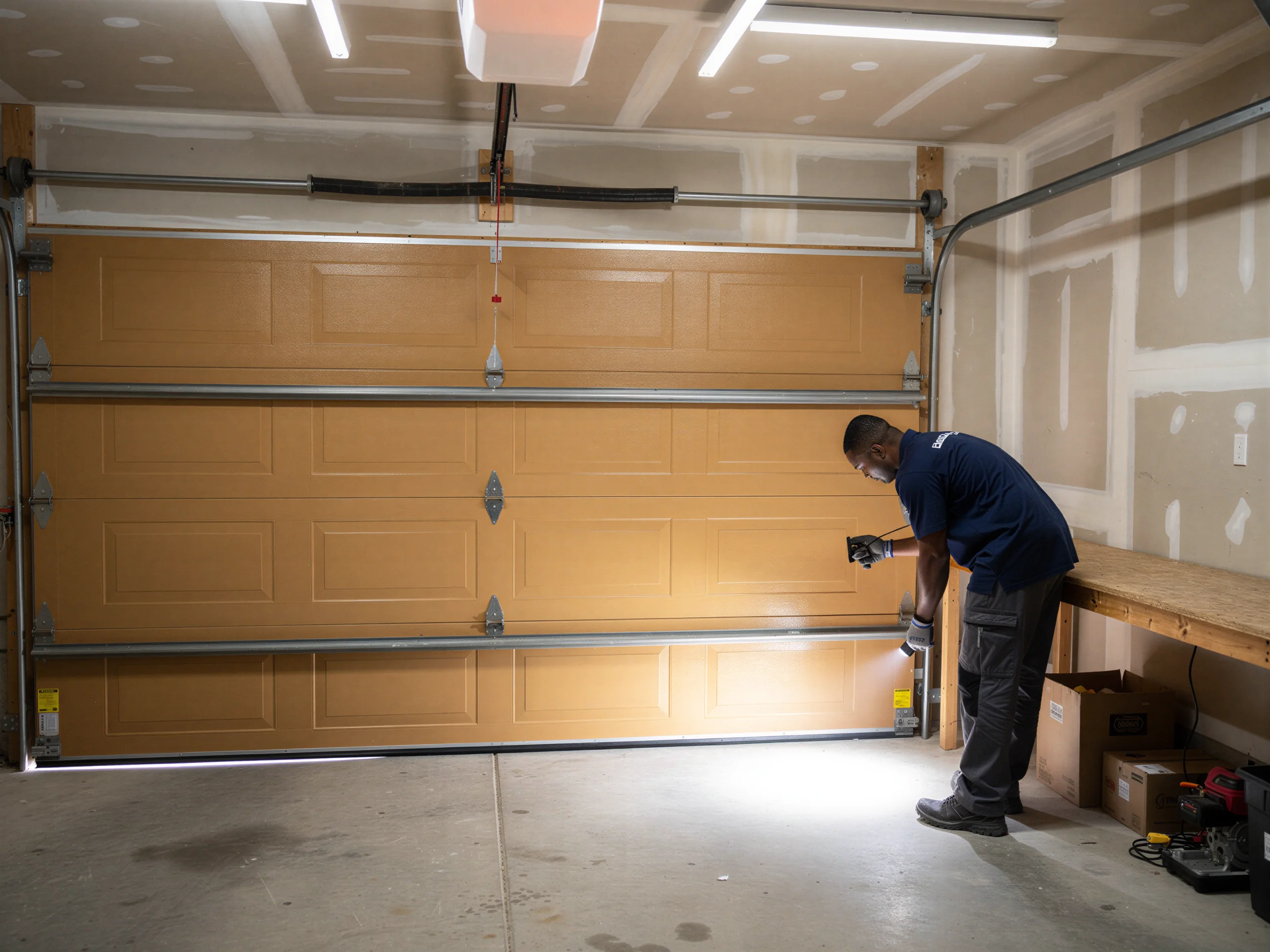
We won't pretend every 1972-era door is a lost cause. Plenty of them are solid once the spring and rollers are brought back to spec, and a full tear-out isn't always the right call just because the door is old. But if the track is bent from a slow-motion impact over the years, or the panel seams have rusted through at the bottom, repair starts costing more than it's worth, and we'll say so instead of billing you for a patch job that won't hold through another winter.