Blog
What Your DeKalb Garage Door Is Trying to Tell You
DeKalb homes built 1959-2009 face cold winters that turn small garage door noises into failed springs and openers. Here's what each sound means and when to call.
Season by Season
DeKalb sits in a cold-severe climate band, and that shows up in how a garage door sounds depending on the month. In January and February, expect the loudest complaints - grease stiffens in the cold, rollers drag, and a door that ran quiet in October starts groaning on the way up. By March, as the ground thaws, you'll hear a different noise: a hollow pop or shudder as the slab underneath settles back after months of frost heave. Summer is usually the quiet season here, though high humidity in July and August can swell wood jambs enough to make a door bind at the top of its travel. Fall is when we'd rather hear from you than winter - a spring that's starting to fatigue will often give a faint click or uneven cycle sound weeks before it lets go, and in a cold-severe climate, a spring that snaps in January is a much worse day than one that snaps in October. If your door has gotten noisier as the weather turned, that's not coincidence - it's the cold doing exactly what it does to steel and lubricant every year in this part of Illinois.
What Is Going On
Most of DeKalb's housing stock went up between 1959 and 2009, with the median closer to 1976, and across the 22 named areas that make up this service footprint, the heaviest concentration is 1960s and '70s construction. That matters because a lot of these doors are still running original hardware - single torsion springs rated for a cycle count that maxed out years ago, openers with chain drives and steel gears that have worn past their quiet years. A grinding sound usually means a worn gear or a dry chain. A sharp bang on the way down is almost always a cable or spring issue, not the opener. A rhythmic thump tied to the door's travel points to a bent track section or a roller that's cracked and riding flat instead of round. None of this is exotic - it's just what happens to garage door hardware from this era after four or five decades of winters. The age of the housing stock here means these failures cluster: when one original-era spring goes on a block of 1970s houses, the neighbors' doors are often not far behind it.
Checking It Yourself
You can do some of this without a ladder. Watch the door through one full cycle and listen for where the noise happens - top, middle, or bottom of travel - since that tells you whether it's a track, spring, or roller problem. Look at the springs above the door: if one looks stretched or gapped compared to the other, that's a sign of fatigue, not something to test by hand. Check the rollers for flat spots or cracks you can see from the ground. Listen for a squeal specifically when the door reverses - that's often the opener's limit switches, not the door itself. What we won't tell you to do is adjust or replace a torsion spring yourself. That spring is under enough tension to cause real injury, and in a cold-severe climate the steel is more brittle in winter than summer, which makes a DIY spring job a worse idea here than it would be somewhere milder. If you can describe the noise and when it happens, that's most of what we need over the phone to know what we're walking into.
What the Weather Here Does to It
Cold-severe winters are hard on garage door hardware in specific, predictable ways. Standard lubricant thickens below a certain temperature, so rollers and hinges that moved smoothly in September start fighting the opener motor by December - that extra load is what shortens gear life and burns out openers early. The concrete slab under the door contracts in deep cold and expands again in spring thaw, and that movement, repeated every year since the home was built, is part of why doors from DeKalb's 1960s and '70s housing stock develop uneven travel and track misalignment over time. Steel panels and torsion springs also lose some flex in sustained cold, which is why a spring near the end of its life is more likely to fail on a sub-zero morning than a mild one. None of this means a noisy door is doomed - a lot of what you hear in January is just cold-stiffened grease and settles down once things warm up. But in this climate, the gap between 'annoying noise' and 'broken door' is usually a lot shorter than homeowners expect, and we'd rather get a call about a noise than a call about a door stuck shut on a 10-degree morning.
Questions
Common questions
My garage door only makes noise in winter - is that normal?
It's common here. Cold-severe winters thicken lubricant and stiffen steel, so doors that run quiet most of the year get louder once temperatures drop. If the noise disappears by spring and nothing looks visibly worn, it's likely just the cold. If it keeps getting louder each winter, that's usually a sign the hardware is fatiguing, not just cold.
How do I know if it's the spring or the opener making noise?
Watch where in the door's travel the sound happens. A grinding or whining sound during the whole cycle usually points to the opener's gear or chain. A sharp pop, bang, or sudden noise right as the door starts moving almost always means a spring or cable. If you're not sure, describe the timing of the sound when you call - it narrows things down fast.
Is it worth replacing an old opener or just fixing the noise?
Depends on the age and what's actually worn. If the opener is original to a house built decades ago and the gears or chain are worn, repair is usually a stopgap - we won't talk you into fixing something that's going to fail again in a year. If the noise is just dry chain or a loose bracket, that's a real fix, not a bandage.
Recommendation
You Might Also Like
More garage door guides for DeKalb homeowners.
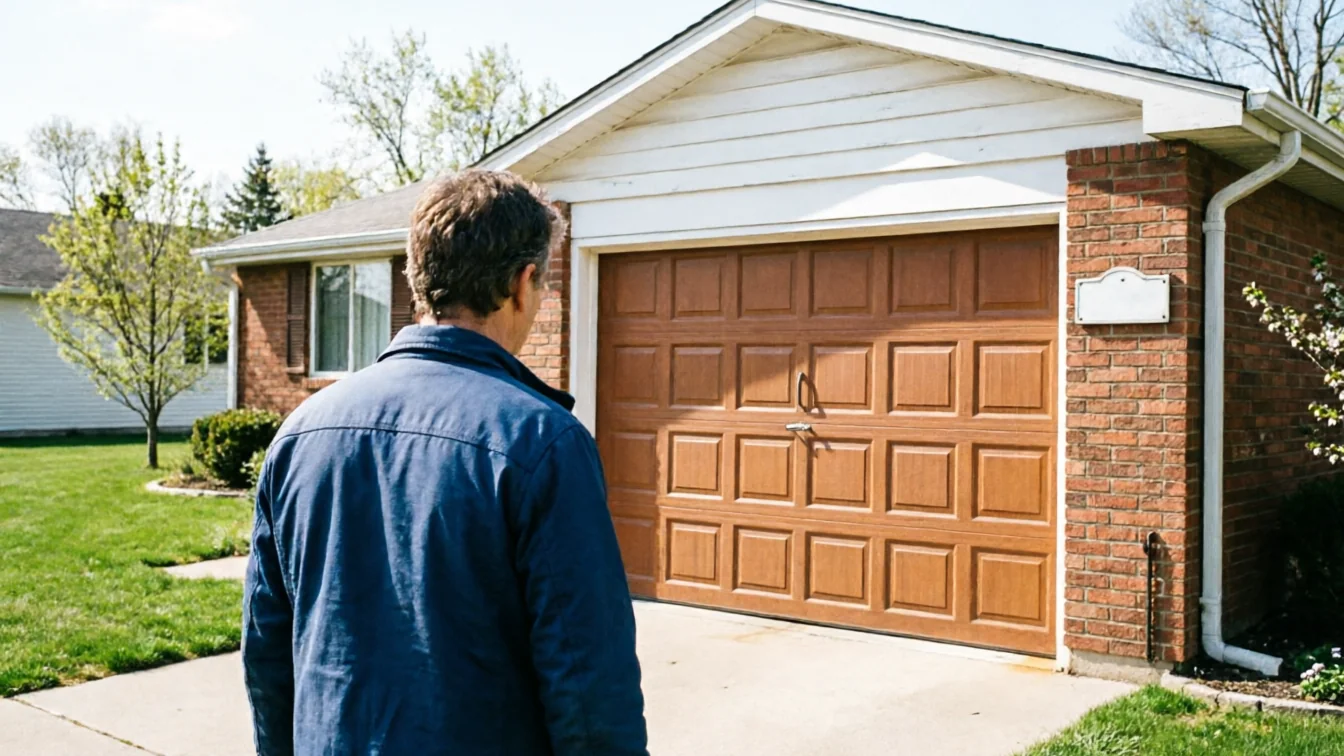 What Happens When DeKalb Garage Door Pros Come for a Service Call
In DeKalb, IL, most homes went up in the 1960s-70s boom, and a service call here checks the hardware that era and the cold winters put under the most strain.
What Happens When DeKalb Garage Door Pros Come for a Service Call
In DeKalb, IL, most homes went up in the 1960s-70s boom, and a service call here checks the hardware that era and the cold winters put under the most strain.
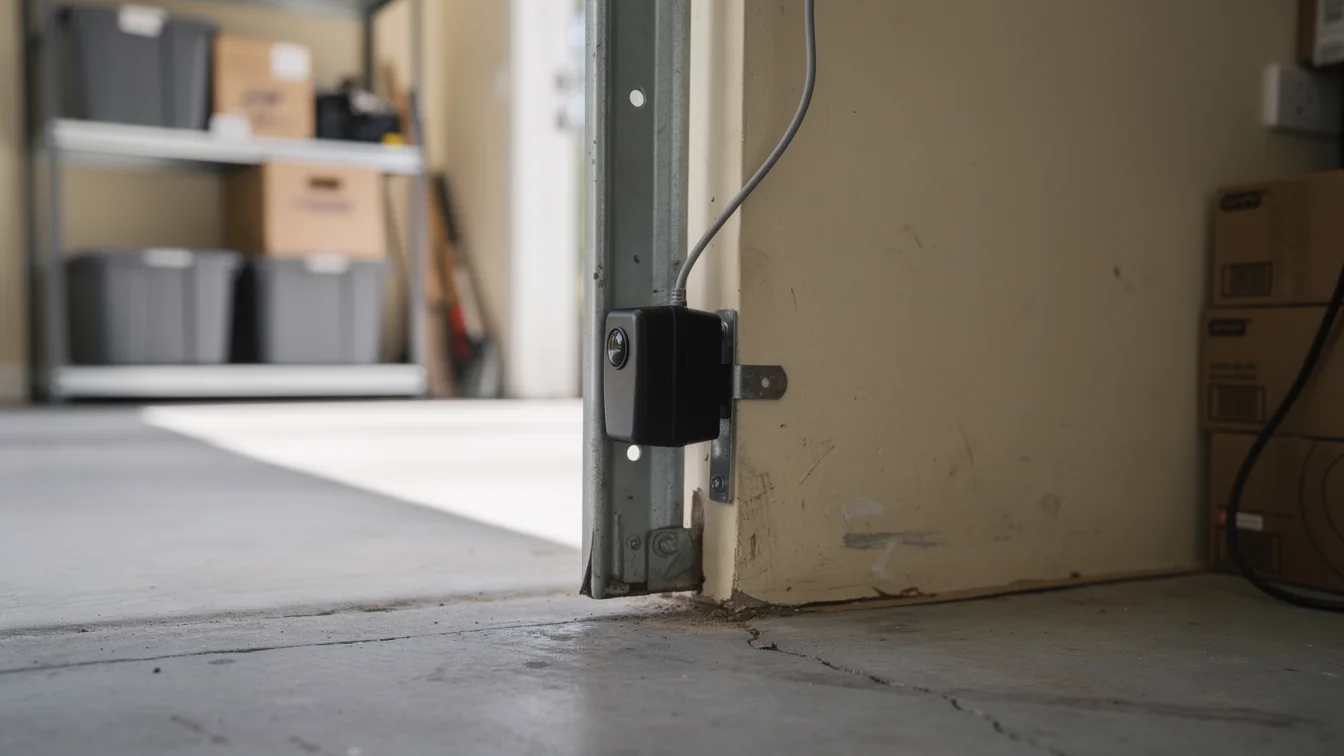 What Cold Does to a DeKalb Garage Door Spring
DeKalb homes built mostly in the 1960s-70s still run original torsion springs that fail fast once cold weather sets in.
What Cold Does to a DeKalb Garage Door Spring
DeKalb homes built mostly in the 1960s-70s still run original torsion springs that fail fast once cold weather sets in.
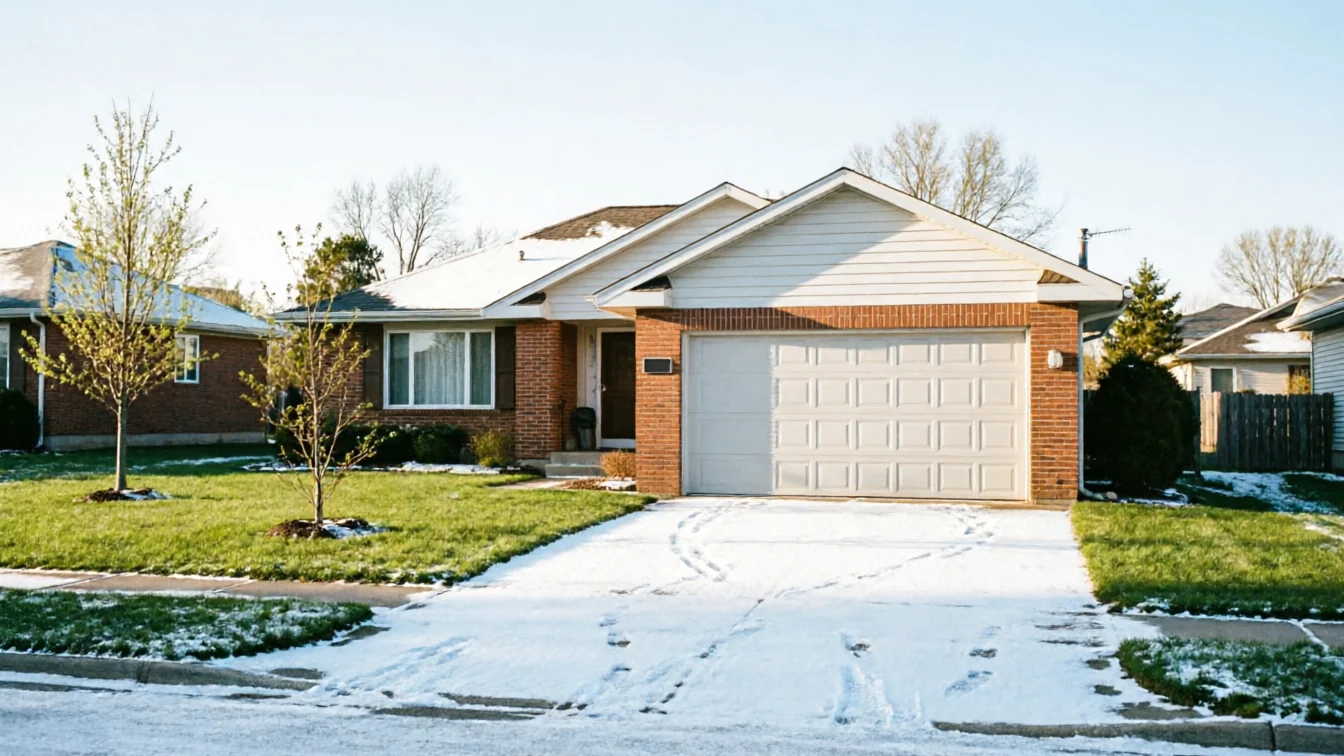 Openers, Power Cuts, and the DeKalb Winter
How DeKalb's 1960s-70s housing stock and severe cold winters affect garage door openers and power cuts, plus what to check before you call for service.
Openers, Power Cuts, and the DeKalb Winter
How DeKalb's 1960s-70s housing stock and severe cold winters affect garage door openers and power cuts, plus what to check before you call for service.
Ready when you are
Need a garage door sorted in DeKalb?
DeKalb Garage Door Pros repairs and installs garage doors, springs and openers in DeKalb, IL and the surrounding area.