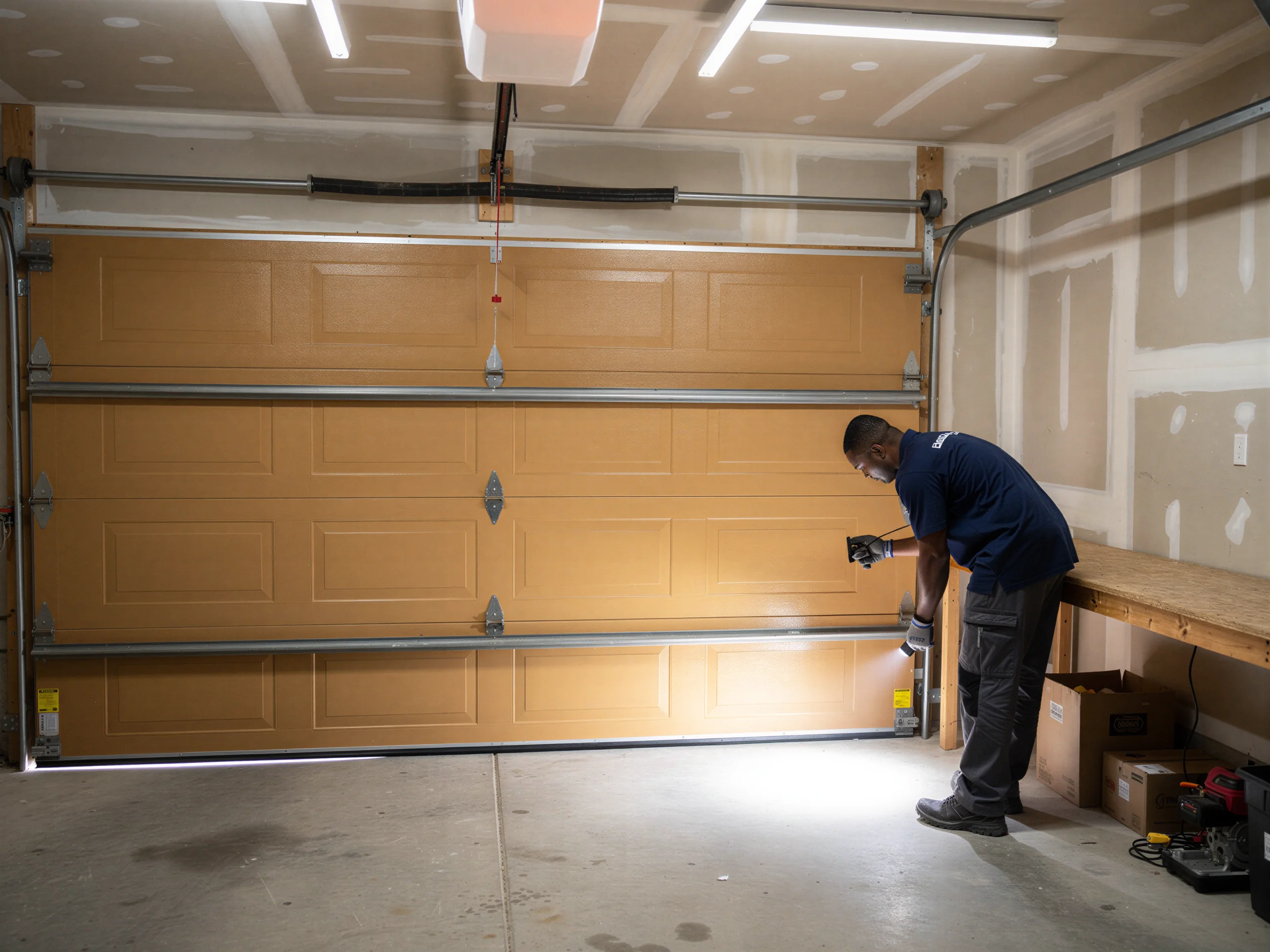
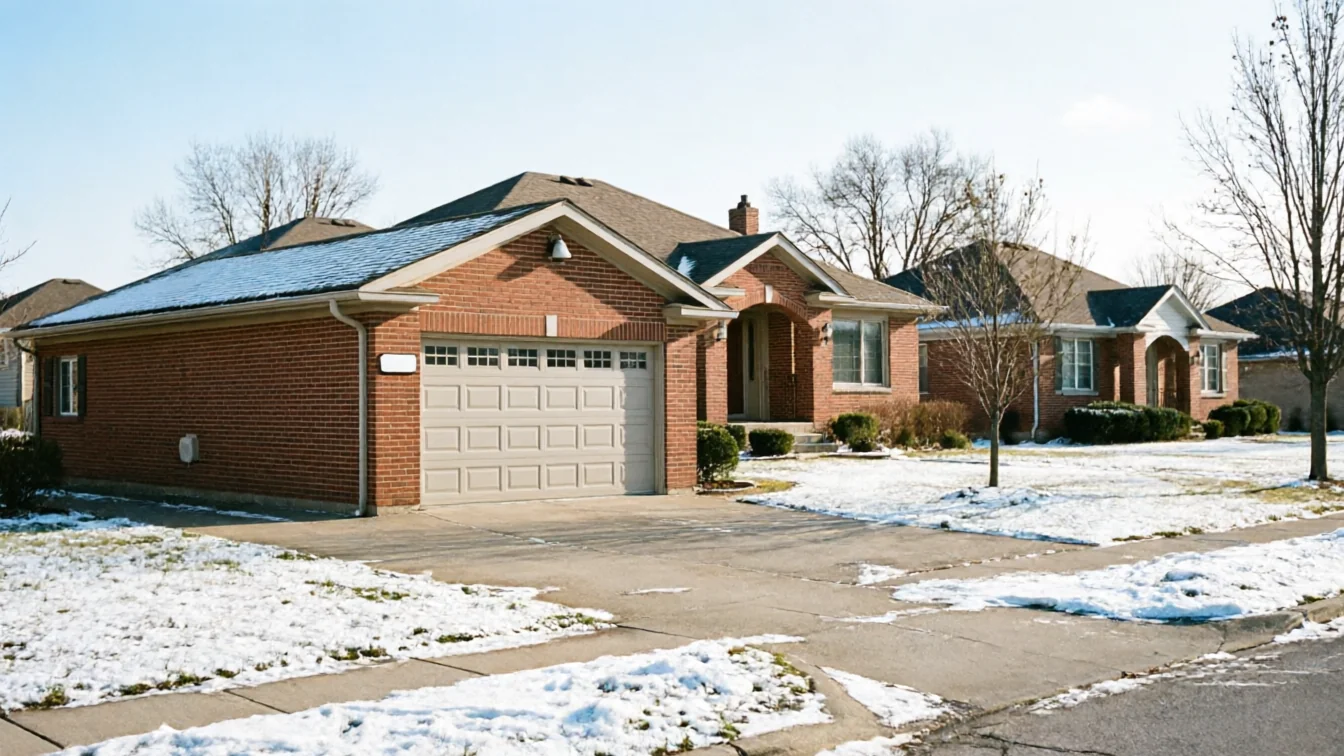
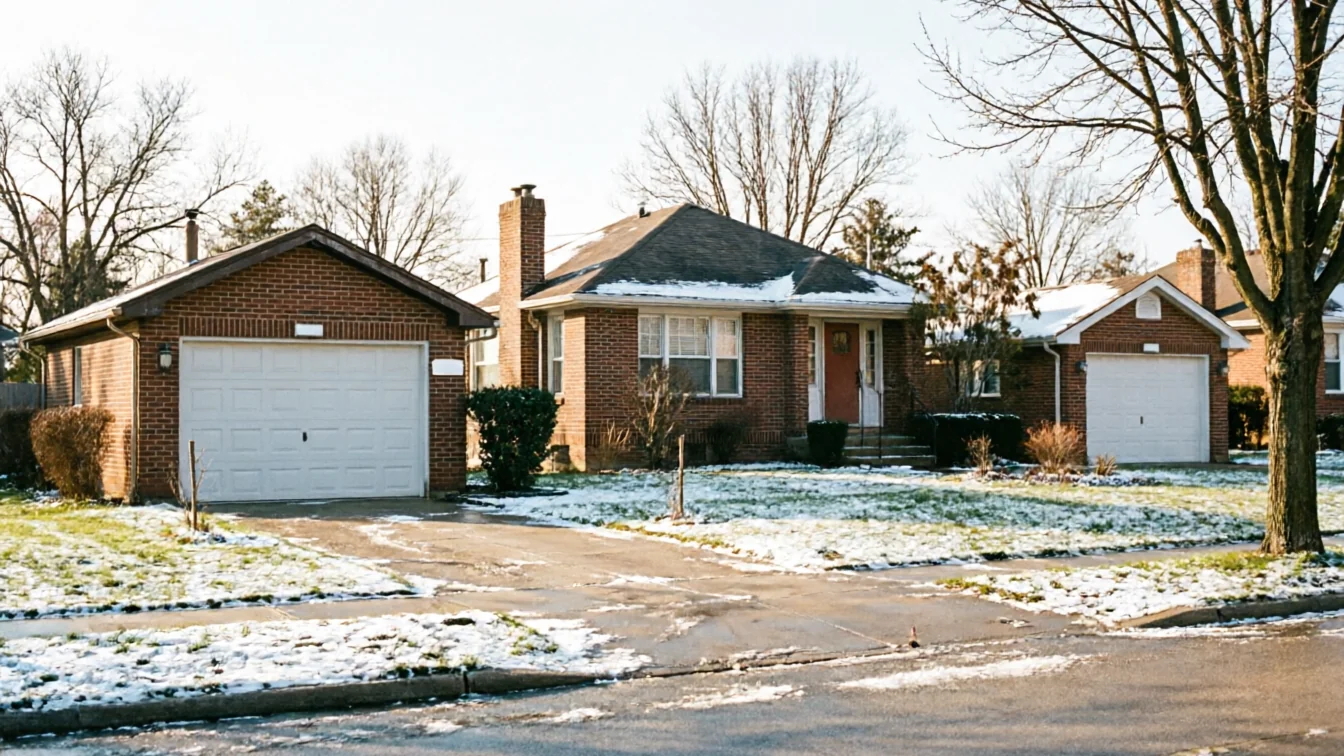
The reason this pattern holds across Elburn specifically, and not uniformly across the wider area, comes down to when the houses went in. A late-90s build cycle means a fairly narrow band of opener models and spring setups went into the ground within a few years of each other, so the failures cluster the same way the construction did. Across the broader service area, home ages spread from 1959 clear through 2009, with the bulk of that stock dating to the 1960s and 70s - a much wider range of door generations, which means a wider range of failure types.
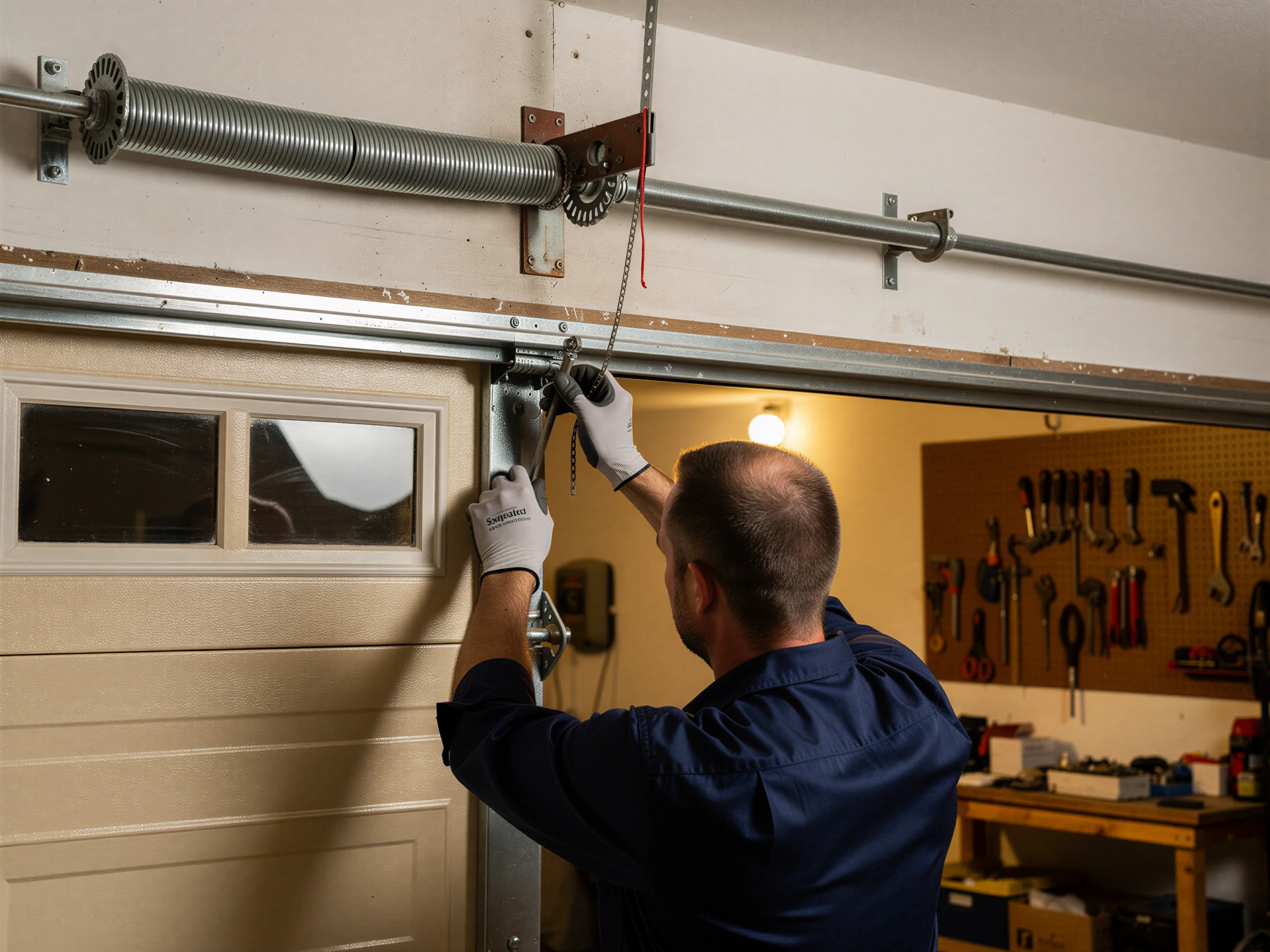
Elburn's roughly 2,479 households skew toward that newer, narrower band, and the area's median household income, over $106,000, tracks with more production-built subdivisions than older farmhouse garages with retrofitted hardware. None of that changes the physics of a worn spring or a dirty sensor lens. It does mean the fix we show up with is usually the same handful of parts, not a grab bag.