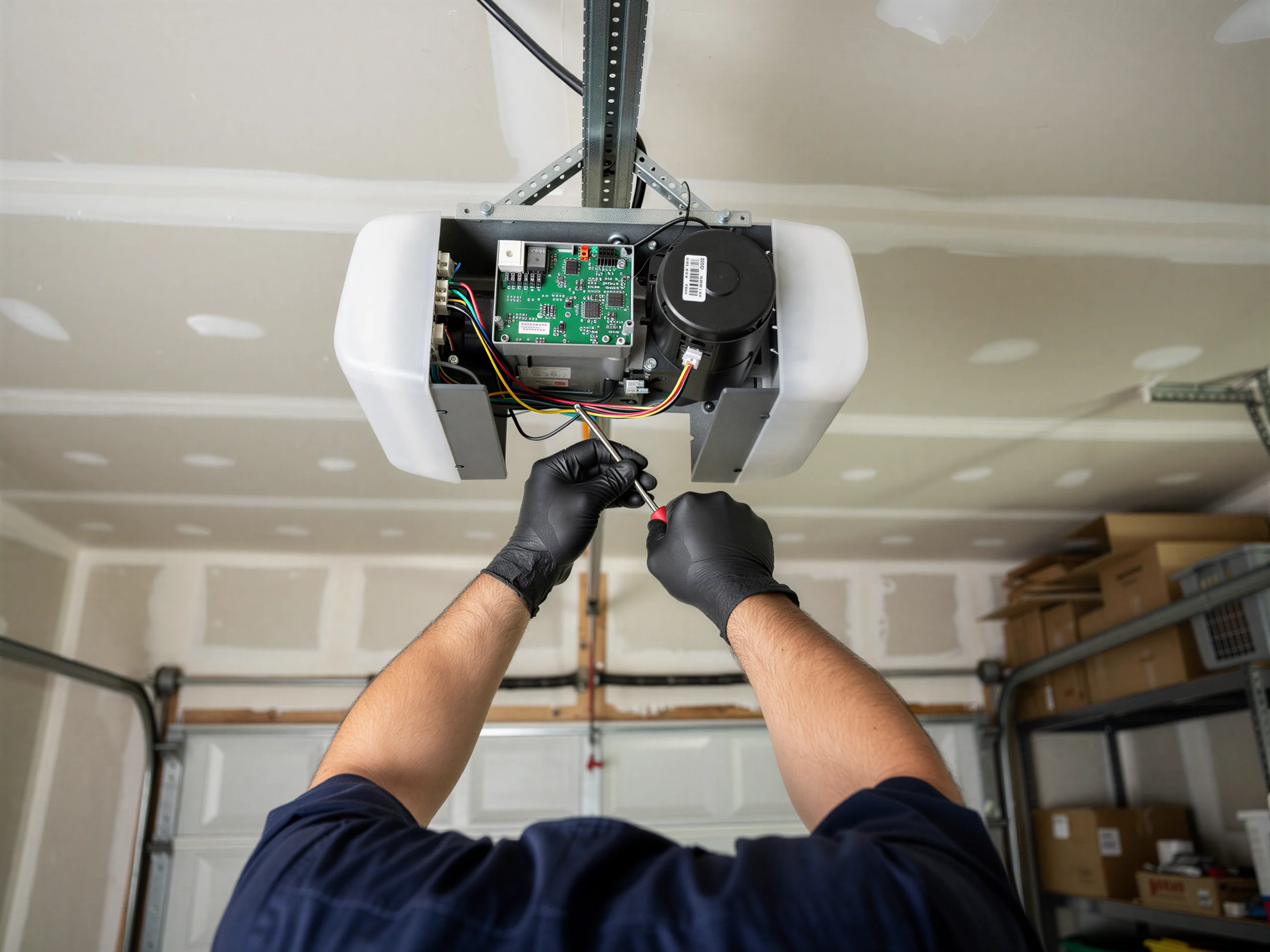
Force set to door
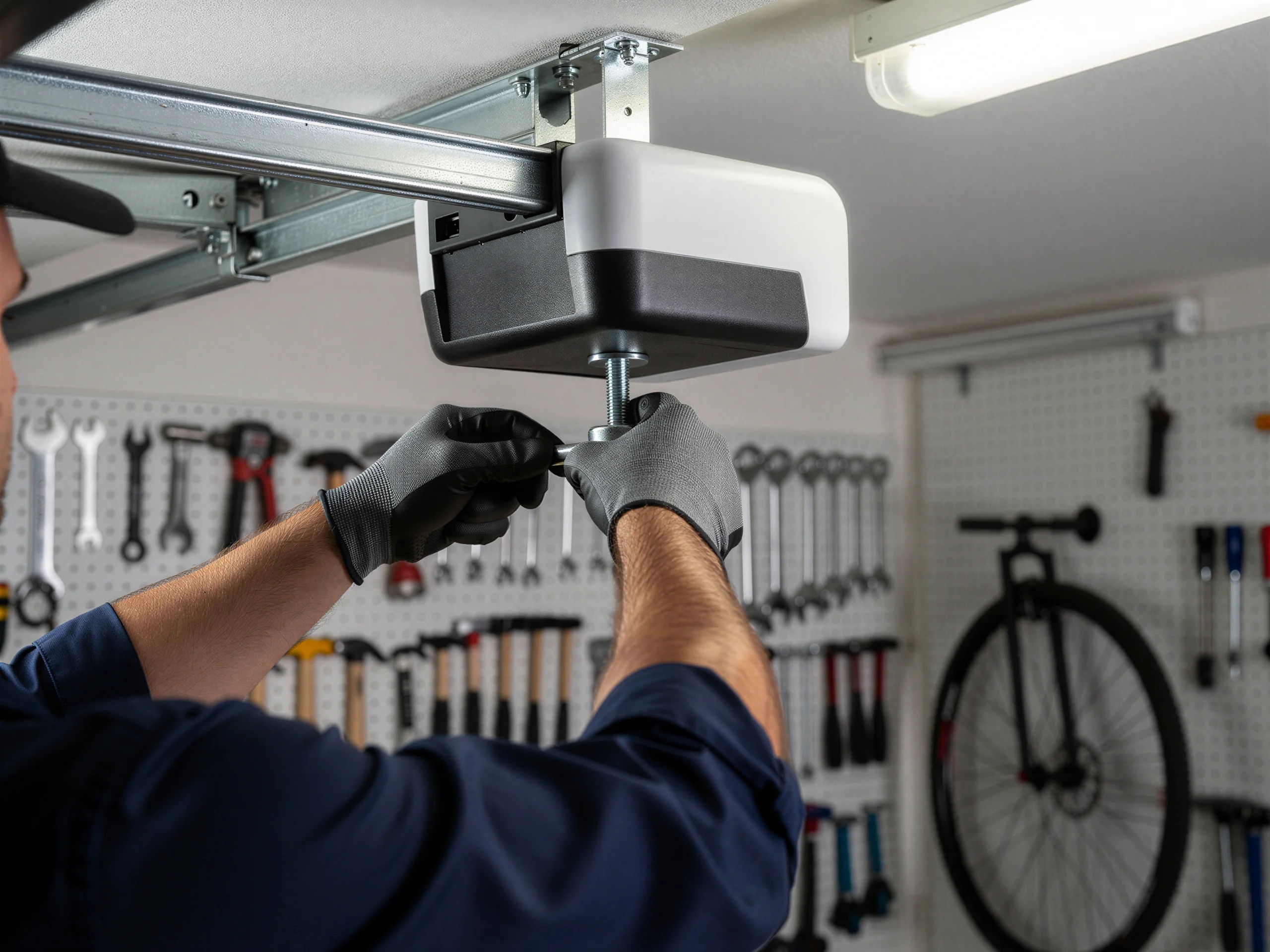
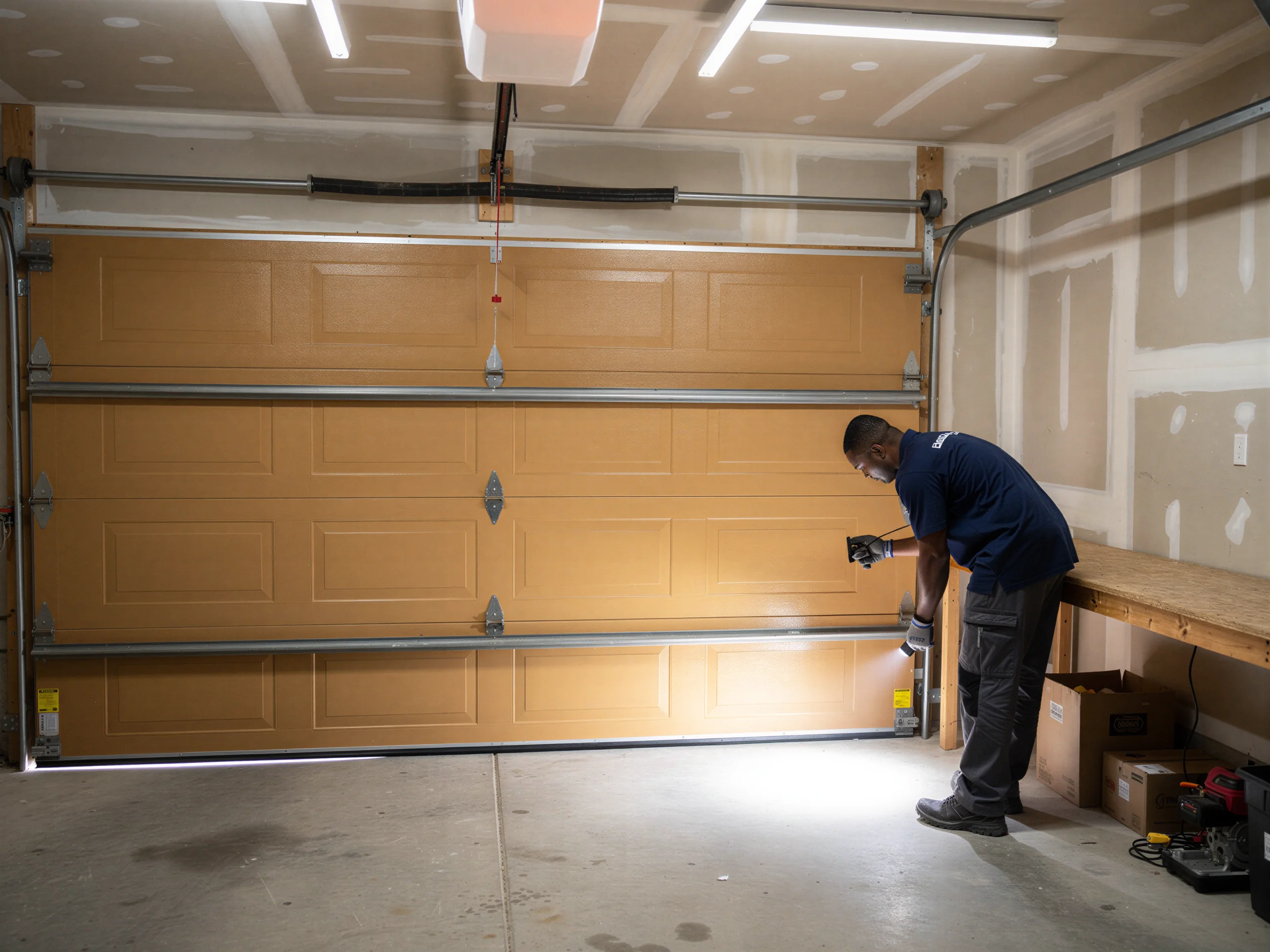
Force settings are the other piece. An opener's travel and force limits have to be set against the actual weight of the door in front of it, not a factory default.
DeKalb, IL
DeKalb Garage Door Pros installs garage door openers across DeKalb, IL and nearby towns, matched to the area's 1960s-2000s housing stock and cold winters.
DIY or pro
A boxed opener kit from a home store looks like a weekend job, and for some houses it is. The trouble is that most houses in this part of DeKalb County weren't built to one standard - the stock here runs from 1959 up through 2009, with the median landing around 1976, which means you're guessing at header clearance, rail length, and whether the existing track can even take a modern belt or screw drive without new brackets. A kit built for a generic two-car door doesn't know which decade your garage came from.
The electrical side trips people up next. Older houses on this side of the county often have a single unswitched outlet near the header, not the dedicated circuit a new opener with battery backup and Wi-Fi wants. Running that circuit, or even just confirming the existing one can carry the load, is not a job most DIY installs plan for.
We'll say the honest part up front: if your door, track, and springs are already in good shape and the header has power, installing a comparable opener yourself isn't reckless. Where it goes wrong is skipping the step of checking whether the opener matches the door's age and weight first.
Watch-outs
DeKalb sits in a climate band the federal data marks COLD severe, and that changes what an opener install actually needs to account for. Grease in a cheap drive gear stiffens below a certain temperature, and a motor sized for a mild climate works harder every cold start, which shortens the life of the capacitor and the gear set faster than the spec sheet suggests.
Force settings are the other piece. An opener's travel and force limits have to be set against the actual weight of the door in front of it, not a factory default.
On a lot of the older doors still in service here - heavier single-layer steel panels from the 1960s and 70s housing wave - a default force setting either won't fully close the door in cold weather, because the track has stiffened, or it closes with enough force to miss an obstruction and keep going, which is a safety problem, not just an inconvenience.
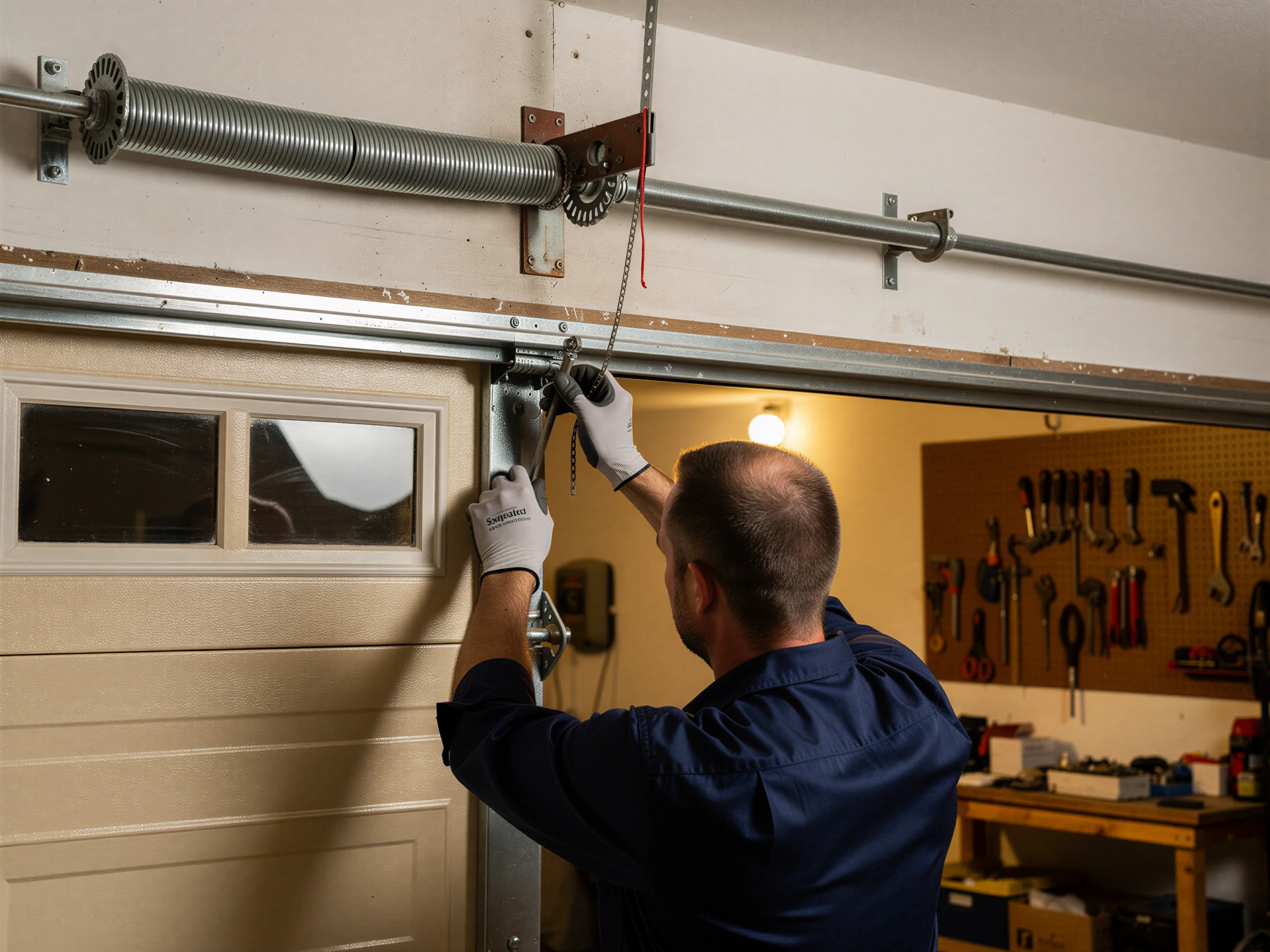
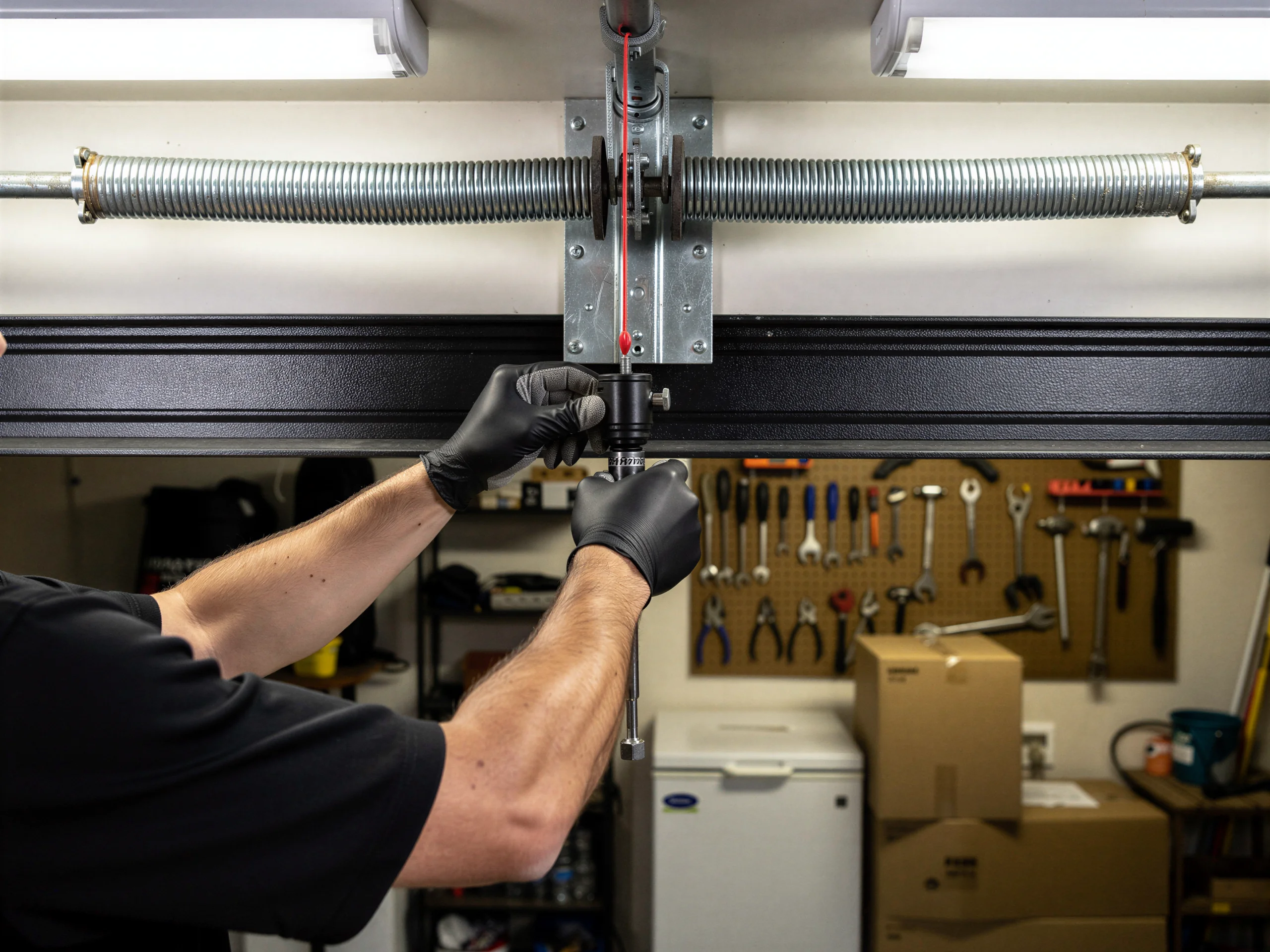
There's also the matter of what's already on the door. A torsion spring that's lost some tension, or rollers that are grooved and sticking, will make a new opener do extra work it was never meant to do, and that shows up as a motor that burns out in two winters instead of ten.
Warning signs
The most common version of this looks like an opener that worked fine in October and started struggling in January - it hesitates partway up, reverses for no obvious reason, or the wall button works while the remote doesn't.
That's usually not the opener failing on its own; it's the opener fighting a door and track combination it was never matched to, with cold making a marginal setup fail first. Another pattern: a homeowner replaces just the motor head because that's the visible part, keeps the original rail and the original force settings, and gets the same problem back within a season.
The rail and the drive need to match, and the settings need to be redone for the new unit, not carried over. A third version shows up on houses from the earlier end of the 1959-2009 range, where the door is original or close to it.
The opener installed decades ago was built for a lighter door of its era. Swap in a heavier insulated replacement door without re-rating the opener, and the motor runs at the edge of its capacity from day one - it'll work, until a cold morning when it doesn't.
Local causes
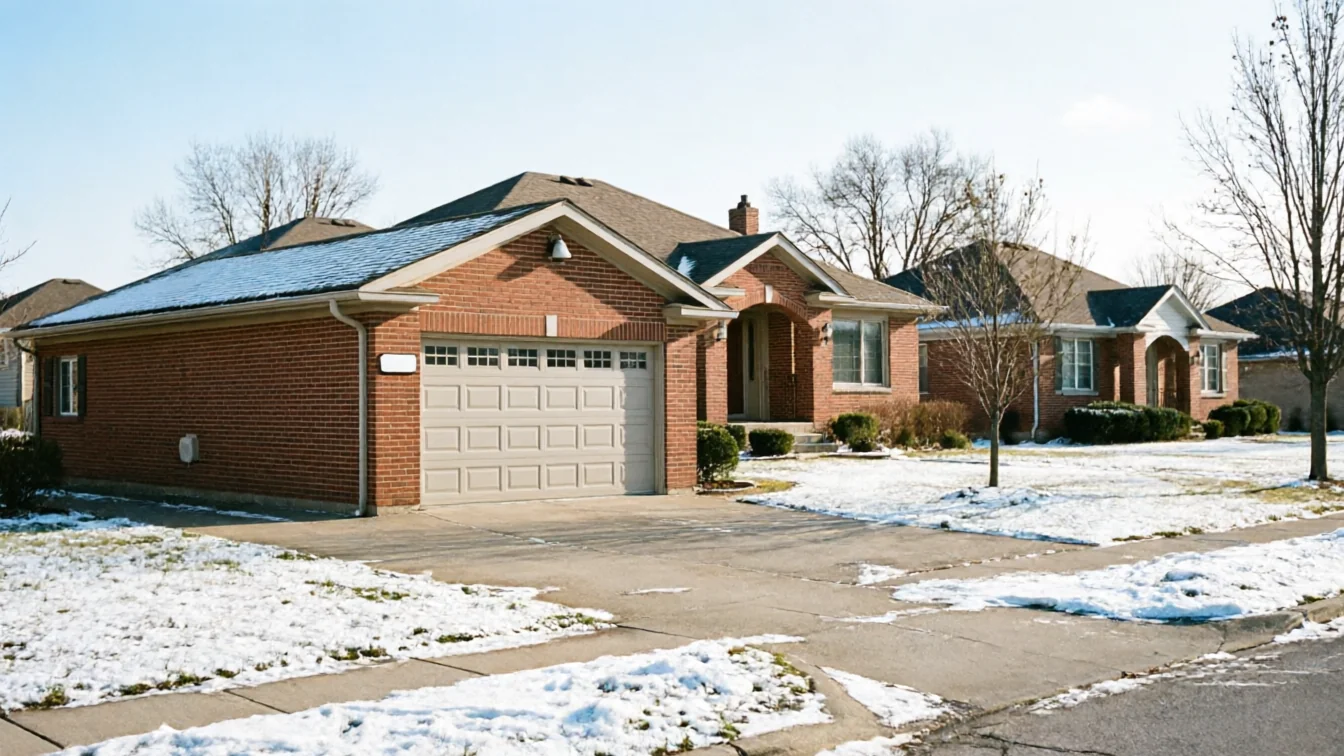
This isn't a generic opener problem - it's specific to what's parked in garages across DeKalb and the towns around it. The housing stock across these 22 named areas runs mostly 1960s and 70s, with the overall build window stretching from 1959 to 2009. That spread means no two installs are really the same job: a 1960s door on a side-mounted torsion setup, a 1990s door on extension springs, and a 2000s door with a heavier insulated panel all need different opener sizing, different rail lengths, and different force calibration.
Layer the COLD severe climate band on top of that, and the margin for error gets smaller. A cheap opener matched loosely to an old door might run fine in a mild climate for years. Here, cold mornings find the weak point - the slightly undersized motor, the force setting that was never recalibrated, the rail that was reused from the old unit - faster than almost anywhere else that same hardware gets sold.
Across the service area's roughly 21,309 owner-occupied houses, a lot of openers are reaching the point where it's the logic board and drive, not just the motor, that's at the end of its life. Installing the next opener without accounting for door age and winter load just restarts the same clock.
Questions
Often yes, as long as the springs, rollers, and track are in decent shape and the door's weight is within what the new opener is rated for. Where it breaks down is on heavier original doors from the 1960s and 70s stock still common here - those sometimes need a higher-horsepower unit or spring adjustment first, not just a motor swap.
Yes. In a COLD severe climate band, grease in a drive gear stiffens, tracks tighten slightly, and a motor sized without that in mind works harder on winter mornings. That extra strain is usually what turns a marginal install into a failed one by the second cold season, not the first.
That's the second winter pattern - an opener installed in warmer months, running on default force settings never recalibrated to the door's actual weight. Once temperatures drop and the track stiffens, those settings stop being enough, and you get hesitation, reversing, or a door that won't fully close.
Explore more
Ready when you are
DeKalb Garage Door Pros repairs and installs garage doors, springs and openers in DeKalb, IL and the surrounding area.