Blog
Why Your DeKalb Garage Door Lets in Draughts
How DeKalb's cold winters and 1960s-70s housing stock wear out garage door seals, and what to check before the draughts cost you on heat.
Season by Season
DeKalb sits in a cold-severe climate band, and that shows up on a garage door in a predictable order through the year. Fall is when the bottom seal first stiffens as temperatures drop, and gaps that were invisible in August start whistling. Winter is the hard test: the vinyl in a bottom astragal that's more than ten years old goes brittle below freezing, and it cracks instead of flexing when the door closes on a cold slab. By late winter, salt and melt cycles have worked into the track and the weatherstrip on the sides, which is often the first place owners notice a line of frost on the inside of the door. Spring brings a short window where seals look fine because the vinyl has warmed back up and lost its brittleness - this is the best time to actually look at it, before the flex hides the cracking again. Summer is the forgiving season here: nothing fails from heat the way it fails from cold, so a seal that makes it through a DeKalb winter usually coasts through July. If you're checking only once a year, do it in October, not June.
What Is Going On
A lot of this traces back to when the door and the opening were built. Housing across the DeKalb service area runs from 1959 to 2009, with a median around 1976, and most of it - across the roughly 22 named areas we work in - is 1960s and 70s construction. Doors and jambs from that era weren't built around the vinyl bulb seals and foam-core panels that are standard now. The bottom seal track on an original 1970s door is often a narrower channel than what current replacement seals are sized for, so even a new seal can sit loose and let cold air track underneath at the corners. On the 21,309 owner-occupied houses in this area, that mismatch between an older frame and a newer seal is one of the most common calls we get - not a broken door, just a door that's draughty because the parts around it were never designed together.
Checking It Yourself
Close the door at night and run a flashlight along the bottom and both sides from outside while someone watches for light leaking through from inside - any visible beam means a gap. Run your hand along the bottom seal in the cold; if it feels like a stiff plastic ruler instead of flexible rubber, it's past the point where it seals properly at DeKalb's winter temperatures. Check the corners of the bottom seal specifically, since that's where an undersized channel shows up first. Look at the side weatherstrip where it meets the track - a gap wide enough to slide a credit card through is losing real heat. None of this requires taking the door apart. What it won't tell you is whether the track itself has shifted out of plumb, which needs a square and a level - that part we don't recommend doing yourself on a loaded torsion door.
What the Weather Here Does to It
Cold-severe conditions do two things to a garage door that milder climates don't: they make vinyl and rubber seals brittle on a seasonal cycle instead of a one-time wear-out, and they make metal track contract enough in January that a gap that was tight in July opens up. On houses built before double-wall steel and foam-core doors became standard - which is most of the stock here, given the 1976 median build year - the door panel itself has little insulating value, so a draughty seal matters more because there's nothing else stopping the cold. We see this most on original or first-replacement doors in the older pockets of town, less on the newer builds closer to the 2009 end of the range. If your door is from that newer end and still draughty, the seal is probably just worn, not mismatched - a simpler and cheaper fix.
Questions
Common questions
How often should I replace the bottom seal on my garage door in DeKalb?
There's no fixed interval in the facts we work from, but given how cold-severe winters make vinyl brittle here, check it every fall rather than waiting for a visible gap. Once it cracks at the corners instead of flexing, it's not sealing even if it looks intact from a few feet away.
Why does my door draught even though the seal looks new?
On houses built in the 1960s and 70s - the bulk of the stock in this area - the original bottom track is often narrower than what current seals are sized for. A new seal can still leave gaps at the corners if the channel underneath wasn't updated with it.
Can I fix a draughty door myself?
Checking for light and feeling the seal for brittleness is something any owner can do. Diagnosing a shifted track or an undersized channel on an older frame takes a level and some judgment about the torsion system, and that's where we'd rather you call than take the door apart.
Recommendation
You Might Also Like
More garage door guides for DeKalb homeowners.
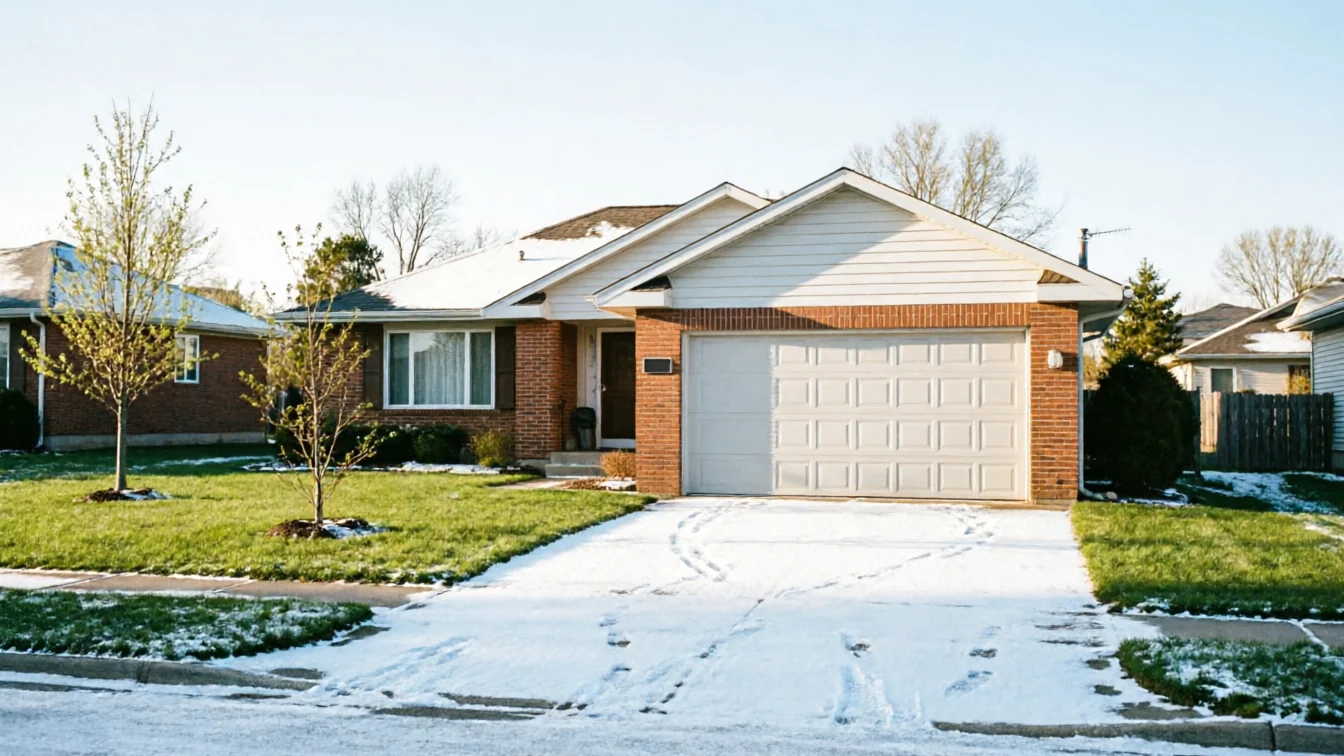 Openers, Power Cuts, and the DeKalb Winter
How DeKalb's 1960s-70s housing stock and severe cold winters affect garage door openers and power cuts, plus what to check before you call for service.
Openers, Power Cuts, and the DeKalb Winter
How DeKalb's 1960s-70s housing stock and severe cold winters affect garage door openers and power cuts, plus what to check before you call for service.
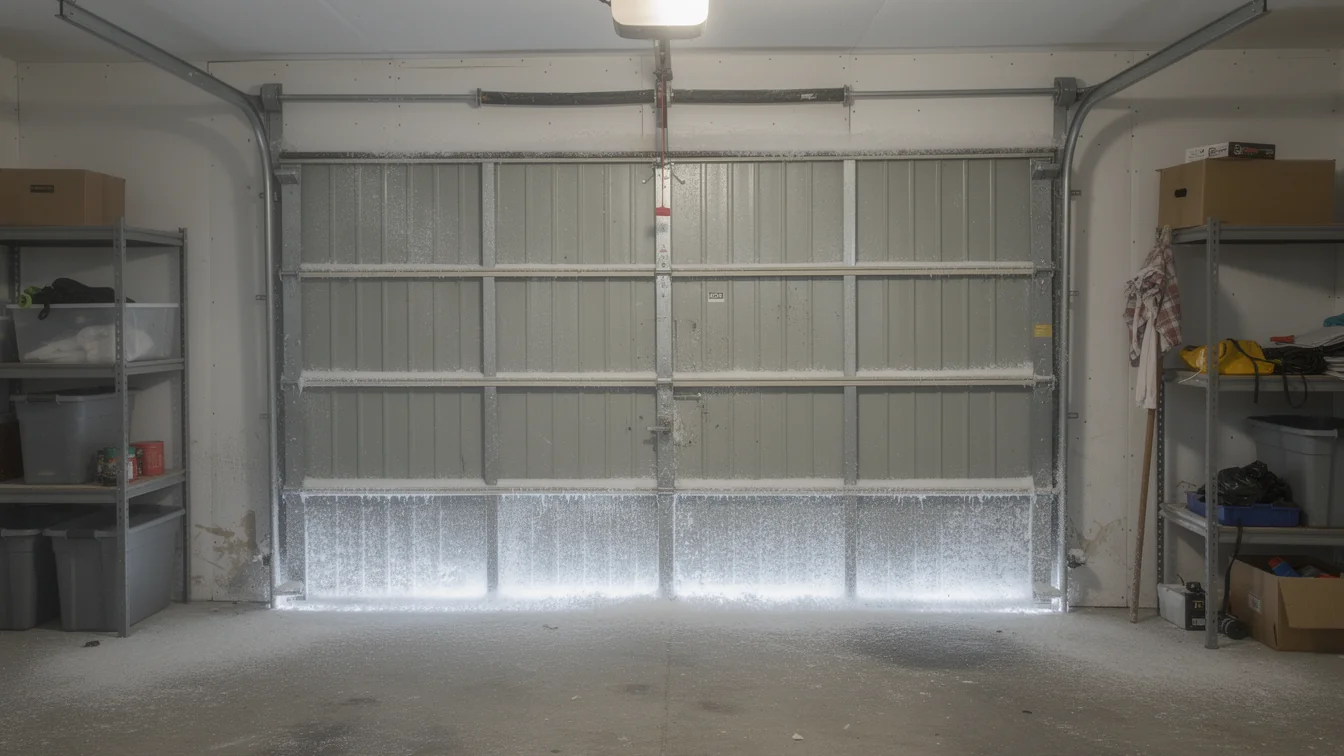 Why Your Garage Door Jumps the Track in DeKalb
DeKalb's housing stock dates mostly to 1960s-70s builds and the area sits in a severe cold band - both push tracks out of alignment.
Why Your Garage Door Jumps the Track in DeKalb
DeKalb's housing stock dates mostly to 1960s-70s builds and the area sits in a severe cold band - both push tracks out of alignment.
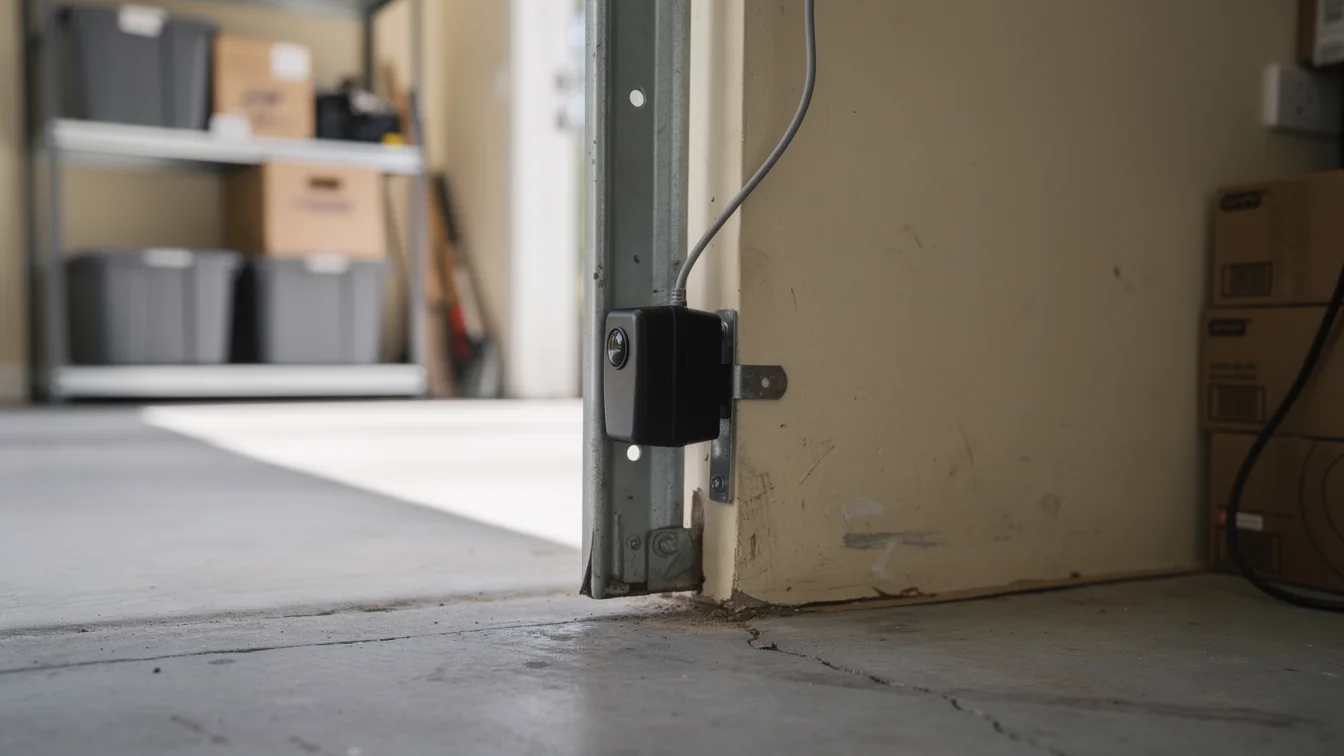 Worth Fixing or Worth Replacing? A DeKalb Homeowner's Guide
Deciding whether to fix or replace an older garage door in DeKalb means knowing what the 1976-median housing stock and cold winters have already done to the springs and track.
Worth Fixing or Worth Replacing? A DeKalb Homeowner's Guide
Deciding whether to fix or replace an older garage door in DeKalb means knowing what the 1976-median housing stock and cold winters have already done to the springs and track.
Ready when you are
Need a garage door sorted in DeKalb?
DeKalb Garage Door Pros repairs and installs garage doors, springs and openers in DeKalb, IL and the surrounding area.