Blog
What DeKalb's Housing Age and Climate Mean for Your Garage Door
DeKalb's housing runs 1959 to 2009, median build year 1976, and the cold-severe climate band works differently on each era's hardware. Here's what to watch and why.
Season by Season
DeKalb sits in a cold-severe climate band, and that shows up on the door in a predictable order through the year. Late fall is when steel panels and torsion springs first feel the temperature drop - metal contracts, lubricant thickens, and a door that rolled smooth in September starts to groan in November. Deep winter is the hardest stretch: springs lose a measurable amount of lifting force in sustained cold, so openers strain harder on the first pull of the day, and a spring that was already near the end of its cycle count is more likely to let go on a sub-zero morning than a mild one. Thaw cycles in late winter and early spring bring their own problem - slab moisture and freeze-thaw heaving can shift a track out of plumb by a fraction of an inch, enough to make rollers bind. Summer is the forgiving season here, and it's the right time to deal with anything you've been putting off, because parts move freely and you can actually diagnose a noise instead of guessing at it through three layers of winter coat.
The honest limit: we can't tell you from a description alone whether a noise is a $20 roller or a spring on its way out. Some of that needs eyes on the door.
What Is Going On
Housing in DeKalb's service area was built mostly between 1959 and 2009, with a median build year of 1976, and the stock splits across 22 named areas that each lean toward 1960s-70s construction. That spread matters because it means three or four distinct generations of garage door and opener hardware are still in daily use within a few blocks of each other. A house built close to that 1976 median is likely on its second or third opener already, often with a torsion spring sized for the original door weight rather than whatever replacement panel went in later. Newer builds toward the 2000s end of that range are more likely to still have their first opener, but original springs on a 15-to-20-year-old door are past the point where you want to find out by hand what shape they're in.
Across the service area there are 36,266 households and 21,309 owner-occupied houses, so the bulk of the calls we'd expect aren't new-construction work - they're maintenance and replacement on homes that have had one door system for decades. At a median household income of $89,488, most owners here are choosing between a real repair and a real replacement, not stretching for either.
Checking It Yourself
Start with the springs, since cold weather is hardest on them. Stand the door up (don't lift, just look) and check that both torsion springs on the bar above the door look even in coil spacing - a gap that's visibly wider on one side than the other means uneven tension, which cold makes worse, not better.
Next, pull the emergency release with the door closed and lift the door by hand. It should move with one hand and stay roughly level when you let go halfway. If it drops or you need both arms, the spring has already lost lift - common on doors from the 1970s-80s stretch of this area's housing that are still running original hardware.
Check the rollers and track for play by shaking the track gently while a helper opens the door. Older galvanized rollers get loud in the cold before they fail; nylon replacements run quieter but still need to be seated square in the track.
Last, listen to the opener motor on the first run of a cold morning. A longer-than-usual strain or a click before it catches is the opener compensating for stiff, cold-contracted spring tension - worth noting even if nothing looks wrong by eye.
What the Weather Here Does to It
The cold-severe band DeKalb sits in doesn't just make things slower in winter - it changes the physics of the parts. Steel contracts at a measurable rate per degree, and torsion springs are wound steel under tension, so every hard freeze tightens the coil geometry slightly and shifts how much force the spring delivers compared to its rating at room temperature. That's why a spring that's marginal in October can fail outright in January without anything new happening to it - the cold just removes the last bit of margin it was running on.
Lubricant is the other half of it. Standard grease thickens as temperatures drop, which adds drag right at the rollers and hinges where the opener has the least mechanical advantage. Over years of winters, that extra drag wears opener gears faster than the manufacturer's duty-cycle rating assumes, which is one reason openers in this area often need replacing before the door hardware does.
We don't carry a fix for every symptom cold weather causes - some of it is just the baseline cost of running steel springs through a cold-severe winter, and the right answer is a seasonal check, not a part swap.
Questions
Common questions
How often should I get my garage door checked in DeKalb?
Given the cold-severe winters here, once a year before the first hard freeze is the useful window - that's when spring tension and lubricant condition matter most. If your door is original to a house built near the 1976 median age for this area, a fall check is worth more than a spring one.
Why did my spring break in the middle of winter with no warning?
Torsion springs lose a measurable amount of lifting force as steel contracts in cold temperatures. A spring running near the end of its cycle life in October can have no safety margin left by January, so it breaks on an ordinary cold morning rather than during any unusual event.
Is my opener too old to keep running?
It depends on the house. Homes built closer to this area's 1976 median build year are commonly on a second or third opener already. If yours strains hard on cold mornings or grinds before catching, that's wear, not just weather, and it's worth having looked at before it fails outright.
Recommendation
You Might Also Like
More garage door guides for DeKalb homeowners.
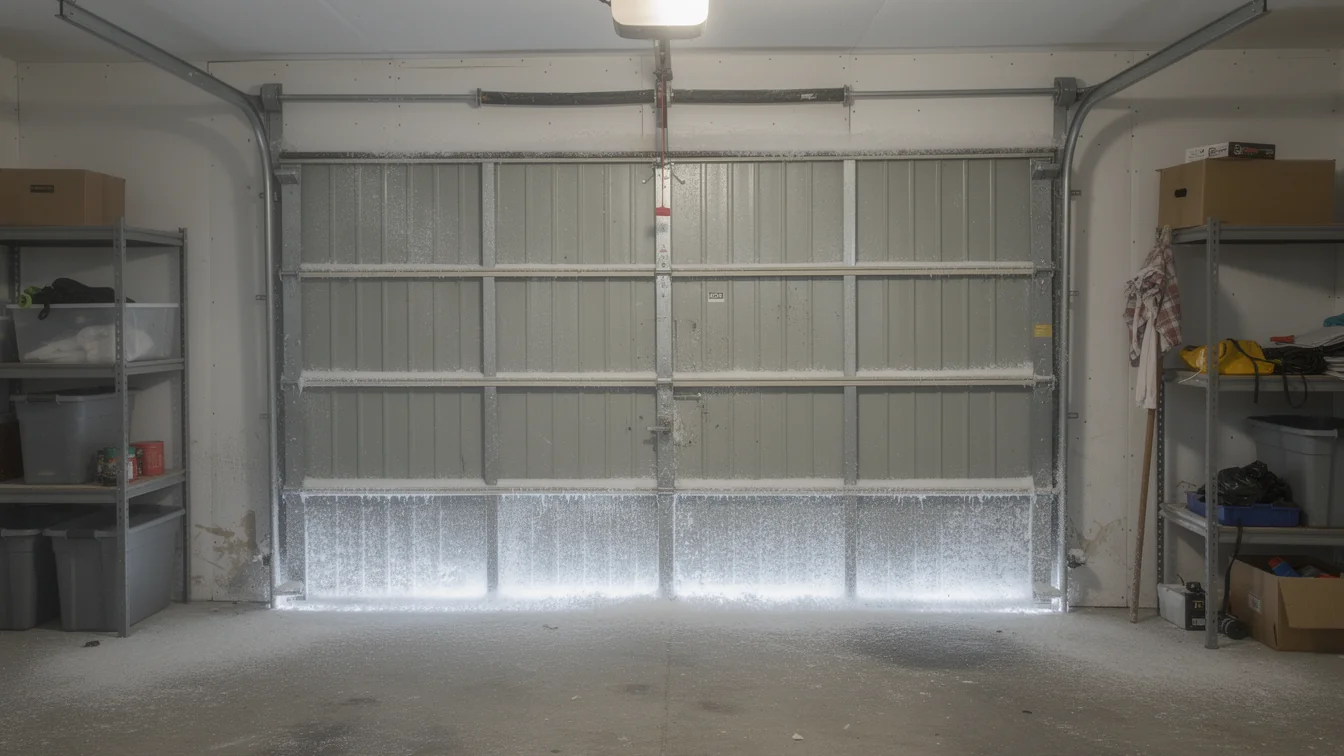 Why Your Garage Door Jumps the Track in DeKalb
DeKalb's housing stock dates mostly to 1960s-70s builds and the area sits in a severe cold band - both push tracks out of alignment.
Why Your Garage Door Jumps the Track in DeKalb
DeKalb's housing stock dates mostly to 1960s-70s builds and the area sits in a severe cold band - both push tracks out of alignment.
 What Happens When DeKalb Garage Door Pros Come for a Service Call
In DeKalb, IL, most homes went up in the 1960s-70s boom, and a service call here checks the hardware that era and the cold winters put under the most strain.
What Happens When DeKalb Garage Door Pros Come for a Service Call
In DeKalb, IL, most homes went up in the 1960s-70s boom, and a service call here checks the hardware that era and the cold winters put under the most strain.
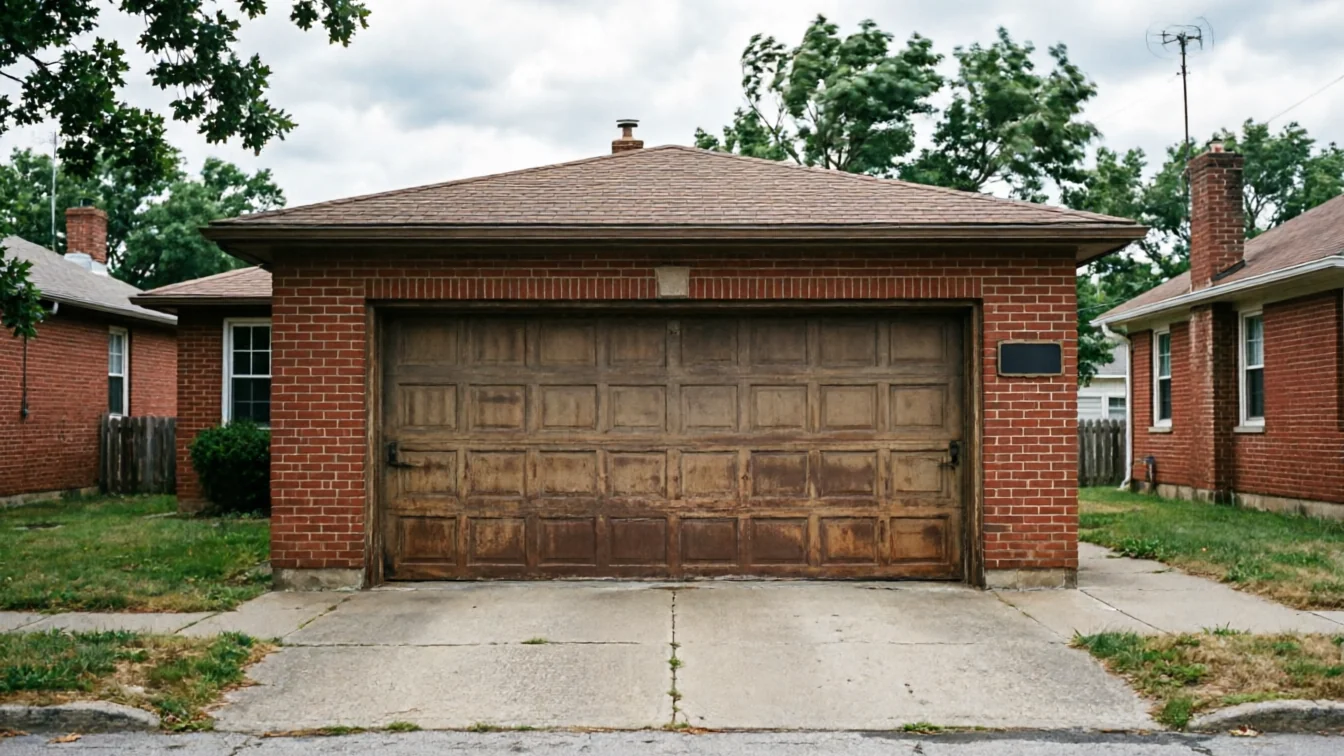 What Your DeKalb Garage Door Is Trying to Tell You
DeKalb homes built 1959-2009 face cold winters that turn small garage door noises into failed springs and openers.
What Your DeKalb Garage Door Is Trying to Tell You
DeKalb homes built 1959-2009 face cold winters that turn small garage door noises into failed springs and openers.
Ready when you are
Need a garage door sorted in DeKalb?
DeKalb Garage Door Pros repairs and installs garage doors, springs and openers in DeKalb, IL and the surrounding area.