Blog
Worth Fixing or Worth Replacing? A DeKalb Homeowner's Guide
Deciding whether to fix or replace an older garage door in DeKalb means knowing what the 1976-median housing stock and cold winters have already done to the springs and track.
Season by Season
A garage door in DeKalb earns its keep differently depending on the month, and the stress shows up at different points in the system. Early winter is when torsion springs that have been losing tension all year finally give out, usually on the first morning the temperature drops hard enough to stiffen the lubricant in the coils. Mid-winter is track season - ice on the slab catches a roller wrong and bends the bottom section of track, which then throws the whole door off its path. By late winter, the bottom seal on a door that's been fighting freeze-thaw for a few months is usually compressed flat and letting cold air straight into the garage. Spring is when we see the most openers fail, because the motor's been working harder all winter to lift a door that's heavier than it should be from moisture swelling the panels. Summer is the easy season - mostly loose hardware and worn rollers from a winter of extra cycles. None of this is dramatic. It's the slow accumulation of a cold-climate winter working on hardware that, on a lot of these houses, has been in place since the 1970s.
What Is Going On
A big share of the doors we're called out to sit on houses built between 1959 and 2009, with the median right around 1976, and that median matters more than it sounds like it should. A door and opener from that build year is at or past the point where parts wear out faster than they can be adjusted around. Steel sections from that era are often heavier gauge than what's sold today, which sounds like a plus until you realize the springs sized for that weight are the ones failing. Across the 22 named areas we work in, the dominant stock is still that same 1960s-70s wave, so the pattern repeats: original torsion hardware, original track, sometimes an opener that's been swapped once in forty-some years but never the track or springs. The question isn't whether an old door can be fixed - almost anything can be fixed once. It's whether fixing it again, this time, still makes sense once you add up what's already been replaced. A door with a sound frame and panels but a dead spring is worth fixing. A door with a bent track, a cracked panel, and an opener on its last legs is telling you something different.
Checking It Yourself
Before you call anyone, there's a short list you can check in five minutes. Pull the release handle and lift the door by hand - it should move smoothly and stay roughly where you leave it. If it slams down or you can barely lift it, the springs are off and you should stop there and not keep forcing it. Look at the bottom seal: if it's cracked, flattened, or gapping at the corners, that's a cheap fix on its own but also a sign the door's been sitting unsealed through a few winters. Check the track for daylight gaps where it bolts to the wall - loose lag screws are common on houses with original 1970s framing and an easy tighten. Listen for grinding when the opener runs; that's usually rollers, not the motor. One honest limit here: if the door is original to a house built in that 1960s-70s wave and the panels themselves are rusted through or delaminating, no amount of spring or roller adjustment fixes that, and we'll tell you so instead of running up a bill on a door that needs replacing.
What the Weather Here Does to It
DeKalb sits in a climate band federal data classes as cold and severe, and that's the backdrop for almost every repair call we get. The freeze-thaw cycle through a typical winter doesn't just stiffen springs - it works mechanically on anything with a seam or a seal. Water gets into a hairline gap in a wood-composite panel, freezes, expands the gap, and by February that small crack is a real one. Steel track that was plumb in October can be pulled a few degrees out of alignment by the ground heaving under the slab, which is a more common cause of a door running crooked than most owners assume. Openers also draw more current trying to lift a door that's gained weight from moisture, which shortens the life of the drive gear. None of this is unique to any one house - it's the same climate math applied to thousands of doors across the area's roughly 36,266 households. What it means practically is that a door here ages on a different clock than the same door would in a milder region, and maintenance scheduled around that clock catches problems before they're expensive.
Questions
Common questions
How do I know if my old door is worth repairing or if I should replace it?
If the frame, track, and panels are sound and the problem is a spring, cable, or opener part, repair almost always makes sense. If the panels are cracked or rusted through, or the track is bent beyond adjustment, you're usually better putting the money into a new door instead of chasing one failure after another on an original 1970s-era unit.
Why does my garage door act differently in winter than summer?
DeKalb's cold-severe climate band means real freeze-thaw cycling each winter. Springs stiffen, seals compress and crack, and ground movement under the slab can pull track out of alignment. A door that runs fine in July can bind or slam in January simply from the temperature swing, not from a new mechanical failure.
My house was built in the 1970s - does that affect what parts I need?
It can. A lot of houses in this area, built in that same mid-70s wave, still have original heavier-gauge steel doors and torsion springs sized to match. Some of that hardware isn't stocked the way current door weights are, so a repair on an original door sometimes takes longer to source parts for than a repair on a newer one.
Is it ever not worth fixing an old opener?
Yes. If the opener is original to a 1960s or 70s build and the drive gear or logic board has failed, replacing it is usually cheaper and more reliable than repairing one that old, especially once you factor in a motor that's been working harder for years to lift a door that's absorbed moisture weight.
Recommendation
You Might Also Like
More garage door guides for DeKalb homeowners.
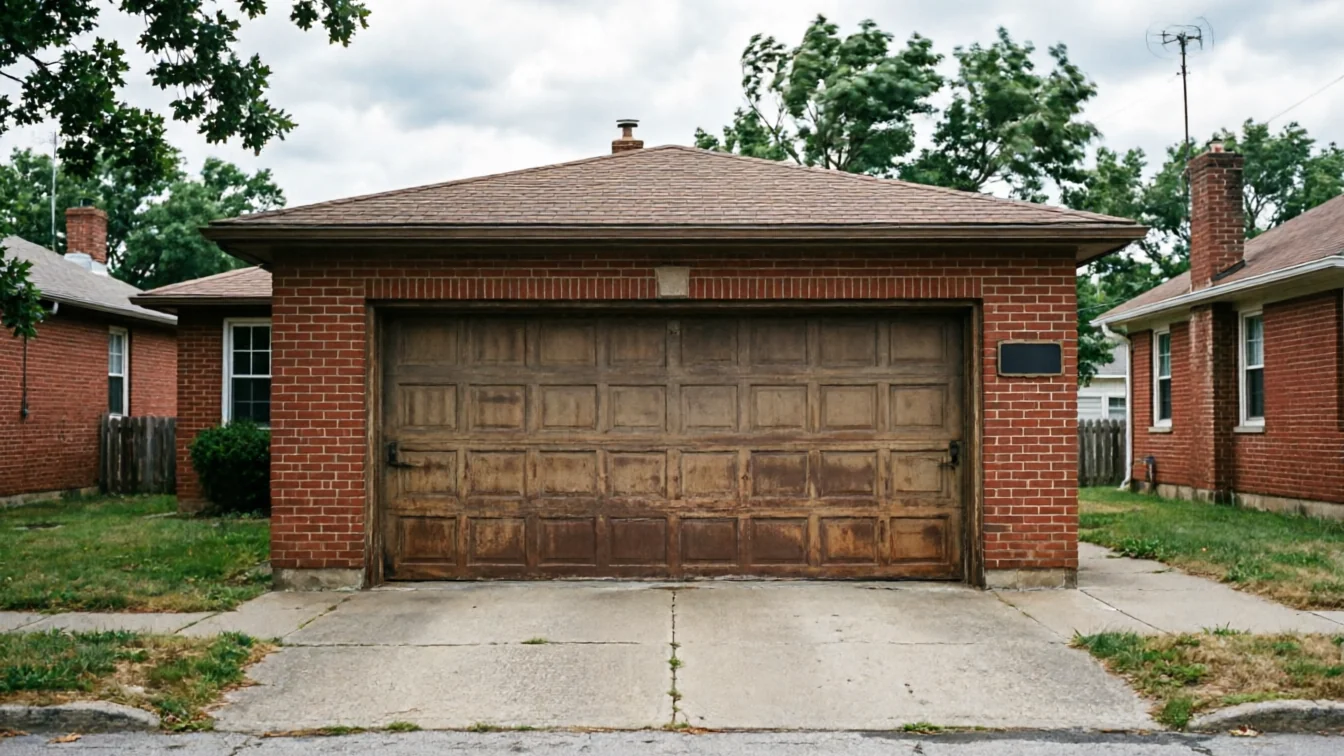 What Your DeKalb Garage Door Is Trying to Tell You
DeKalb homes built 1959-2009 face cold winters that turn small garage door noises into failed springs and openers.
What Your DeKalb Garage Door Is Trying to Tell You
DeKalb homes built 1959-2009 face cold winters that turn small garage door noises into failed springs and openers.
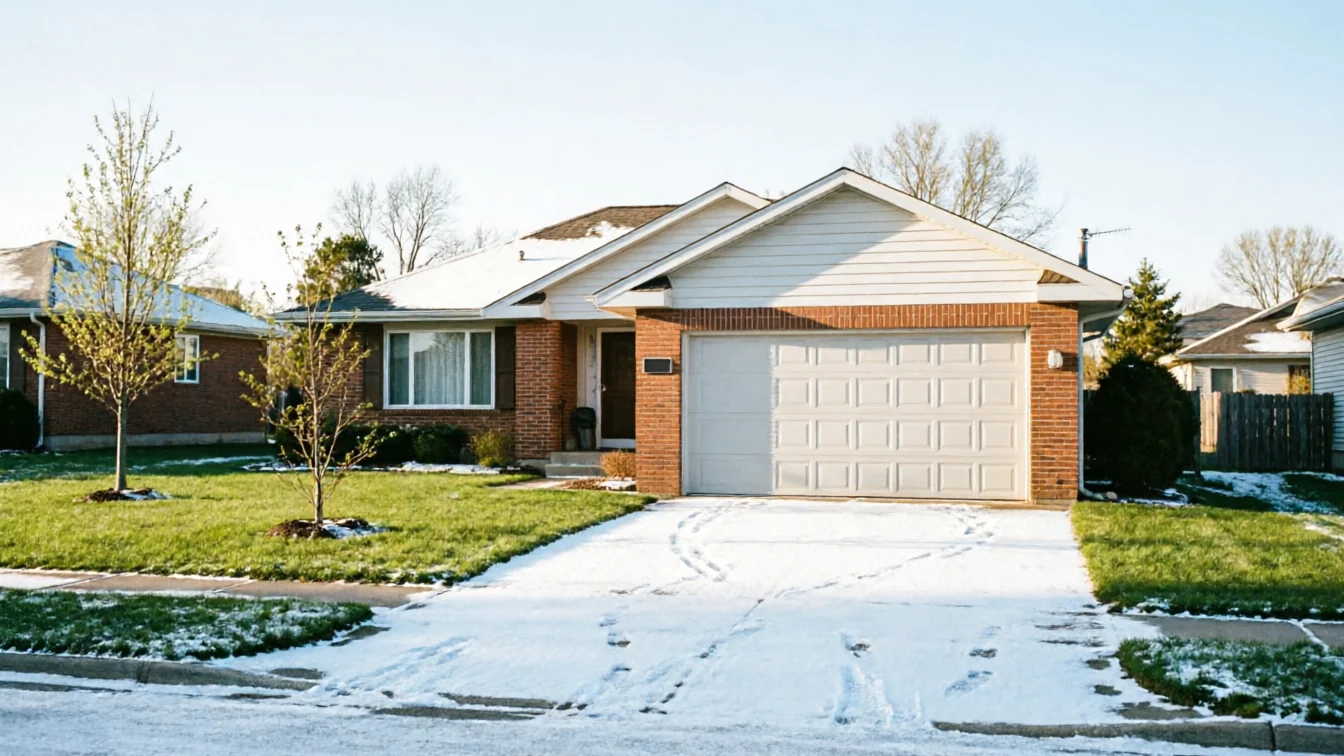 Openers, Power Cuts, and the DeKalb Winter
How DeKalb's 1960s-70s housing stock and severe cold winters affect garage door openers and power cuts, plus what to check before you call for service.
Why Your DeKalb Garage Door Lets in Draughts
How DeKalb's cold winters and 1960s-70s housing stock wear out garage door seals, and what to check before the draughts cost you on heat.
Openers, Power Cuts, and the DeKalb Winter
How DeKalb's 1960s-70s housing stock and severe cold winters affect garage door openers and power cuts, plus what to check before you call for service.
Why Your DeKalb Garage Door Lets in Draughts
How DeKalb's cold winters and 1960s-70s housing stock wear out garage door seals, and what to check before the draughts cost you on heat.
Ready when you are
Need a garage door sorted in DeKalb?
DeKalb Garage Door Pros repairs and installs garage doors, springs and openers in DeKalb, IL and the surrounding area.