Fast garage door repair in DeKalbCall (815) 247-0968
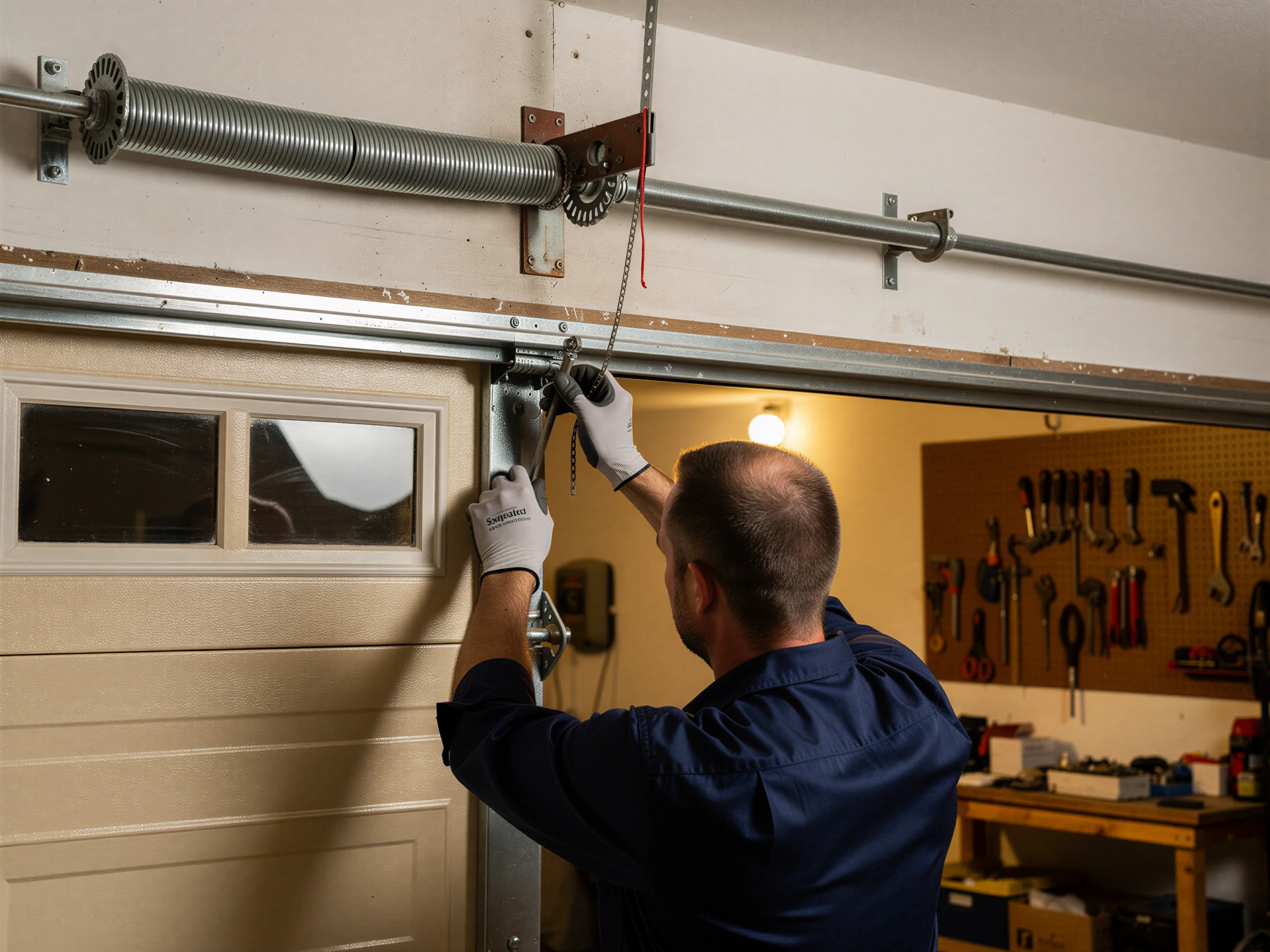
A technician works on a garage door with a torsion spring visible above.

Cortland, DeKalb

Garage Door Service for Cortland's Mid-90s Homes

Cortland homes mostly date to the mid-1990s, which means original torsion springs and first-generation openers are now 25-30 years into their rated cycle life. We cover the repair from DeKalb.

Serving DeKalb, ILBackground-checked techsHonest, upfront pricingFast local response

Booking

Booking a Visit

We run this call out of DeKalb, about 3 miles up the road, so there's no branch office in Cortland and no separate dispatch number - one crew, one truck schedule, covering both towns.

  1. Build year matters

    When you call, tell us the age of the house if you know it. A lot of Cortland was built out in the 1990s, and that one detail tells us more about what's likely wrong than almost anything else you could say over the phone.

  2. Aging spring and chain

    We ask because a door installed when the house was built is now pushing 25 to 30 years old. That's past the rated cycle count on most torsion springs and well into the window where the original chain-drive opener starts dropping gears or the circuit board starts failing intermittently instead of cleanly.

  3. Spring and drive parts

    Knowing the build year lets us bring the right spring size and the right drive parts on the first trip instead of guessing. We don't give a fixed response time for Cortland specifically - it depends on where the truck is that day - but it's a short drive, not a cross-county one.

DIY or pro

Doing It Yourself

If your door is from the original build - mid-1990s - the opener is likely a chain or belt drive with a 1/3 or 1/2 horsepower motor, and the spring is almost always a single torsion unit mounted over the header.

Rollers and hinges only

You can replace rollers and tighten hinge bolts yourself. You should not touch the torsion spring. Winding one under tension with the wrong bar length or the wrong cone set is how people end up in the ER, not how they save a service call.

Photo-eye sensor presence

What you can reasonably check: the photo-eye sensors near the floor on each track (required by federal law since 1993, so your Cortland house almost certainly has them from day one - if they're missing, someone removed them, and that's worth fixing before anything else). Clean the lenses, make sure they're aligned, and confirm the door reverses when you wave something in front of them.

Failed board not DIY

One honest limit: if your opener's logic board has failed - intermittent operation, no response to the remote, lights flashing in a pattern - that's not a DIY fix on boards this old. Parts for some mid-90s opener models are no longer made, and at that point replacing the opener costs less than hunting down a discontinued board.

Pricing

The Cost of This Job

Cortland's median household income sits around $82,750, a bit below DeKalb's broader service-area figure, and that's worth mentioning because it shapes which fix makes sense.

Repair beats replacement

On a 1990s door, the honest call is often repair over replacement: the steel sectional panels from that era typically still hold up fine, and it's the spring, the rollers, and the opener gearing that give out first. Replacing those parts is a fraction of a full door and panel replacement.

Opener swap threshold

Where replacement starts making more sense is when the opener itself needs swapping - at nearly three decades old, most units in this age bracket are also on their second or third set of rollers and well past any manufacturer support.

Single visit savings

Fixing the opener and the door hardware in the same visit usually costs less than two separate trips. We don't quote a number here without seeing the door - spring sizes and opener models vary enough between houses on the same block that a phone estimate would just be a guess dressed up as a quote.

Warning signs

How It Shows Up

Winters in this area are classed as cold and severe, and that matters more to a 1990s torsion spring than it did when the door was new. Steel contracts in the cold, and a spring already near the end of its cycle life is more likely to snap on a sub-zero morning than a mild one - so if your door is making a sharp bang and then won't lift, that's usually the spring, not the opener.

The other common complaint from houses this age: the door reverses on its own partway down, or refuses to close at all. Nine times out of ten that's not a mechanical fault - it's the photo-eye sensors, original to the house, now misaligned from decades of settling or just caked with garage dust. We check those before we touch anything else because it's the cheapest fix and the most common cause.

Less common, but it shows up here too: nylon gears inside the opener housing wear down to a fine white dust after enough winters of the chain binding in the cold. If you find that dust under the unit, the gear kit needs replacing before the motor burns itself out trying to turn it.
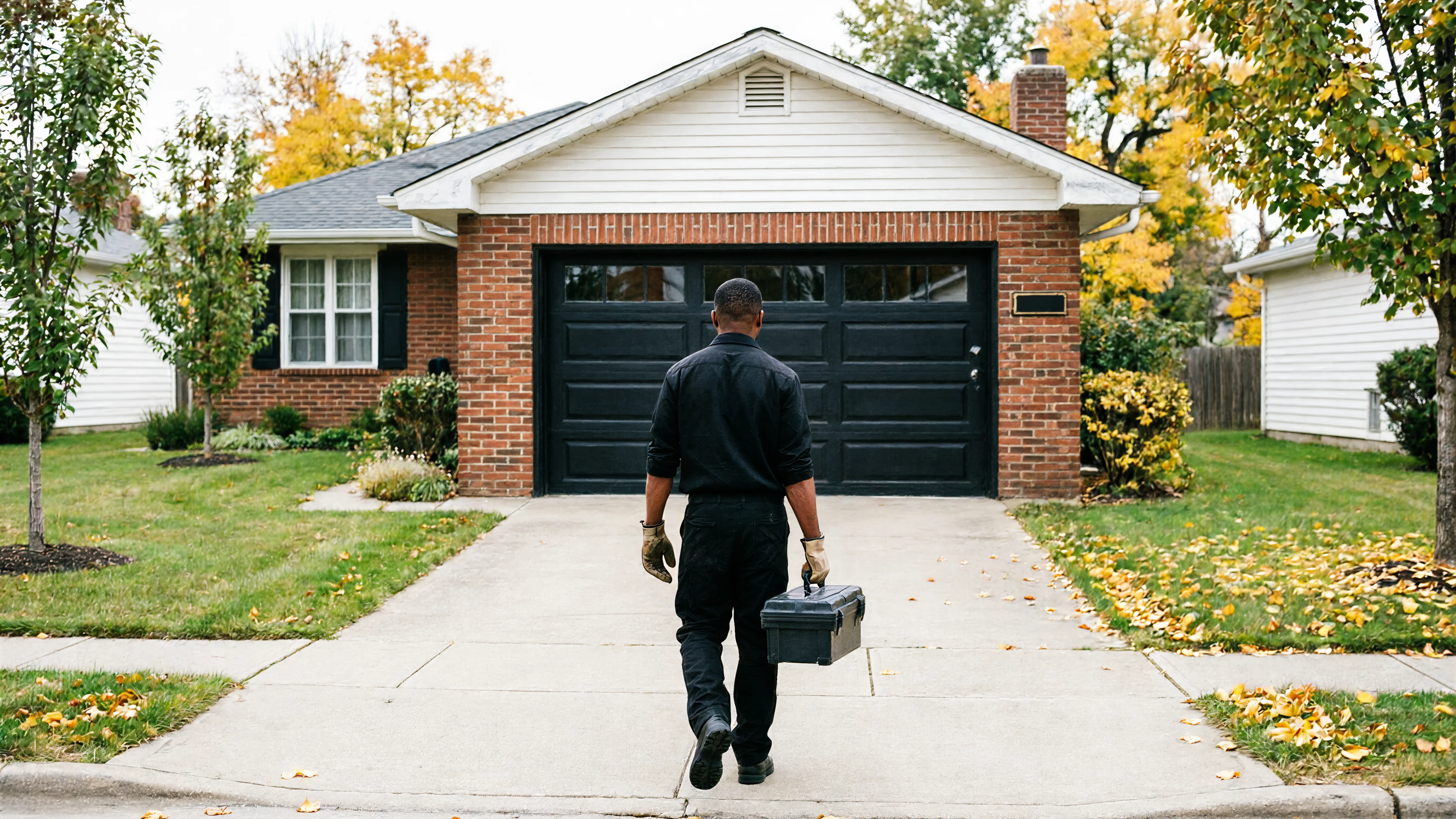
A technician walks toward a brick house with a black garage door, carrying a toolbox.

Questions

Common questions

How far out is Cortland from your DeKalb location?

About 3 miles. We don't keep a separate office or crew in Cortland - the same DeKalb-based truck covers both, so there's no added dispatch step, just a short drive.

My opener is from when the house was built in the 90s - is it worth fixing?

Usually not on its own. If it's just the gears or the logic board, we can often repair it, but at close to 30 years old, most of these units are near the end of their practical life. We'll tell you honestly if a new opener costs less than chasing parts for the old one.

Why does my door reverse by itself in winter?

On houses from Cortland's original 1990s build-out, it's almost always the photo-eye sensors near the floor - original equipment, now out of alignment or dirty. Cold and dust both make it worse. We check and realign those before assuming it's a motor or board problem.

Do you install new doors in Cortland or just repair them?

We handle both, but for Cortland specifically the more common call is repairing original torsion springs, rollers, and openers from the mid-90s build era rather than full door replacement, since the panels themselves tend to hold up well.

Explore more

More Services in Cortland

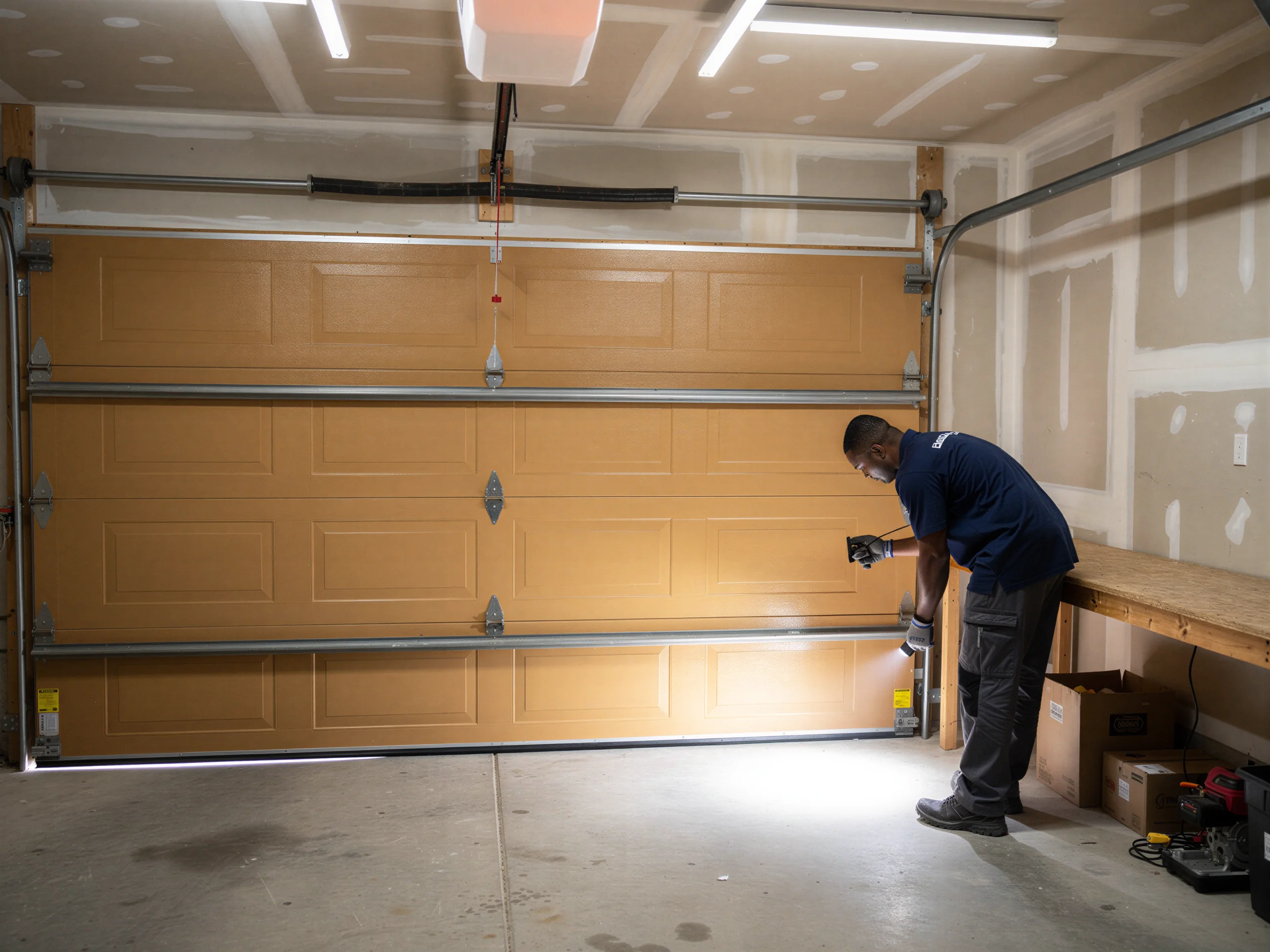
A technician shines a flashlight on the bottom of a closed garage door.

Garage Door Repair

Cortland's houses mostly went up around 1996, a generation newer than much of the wider DeKalb area. Learn more →
A technician works on a garage door with a torsion spring visible above.

Maintenance

Cortland's garage doors mostly went up around 1996, a generation newer than DeKalb's. Learn more →
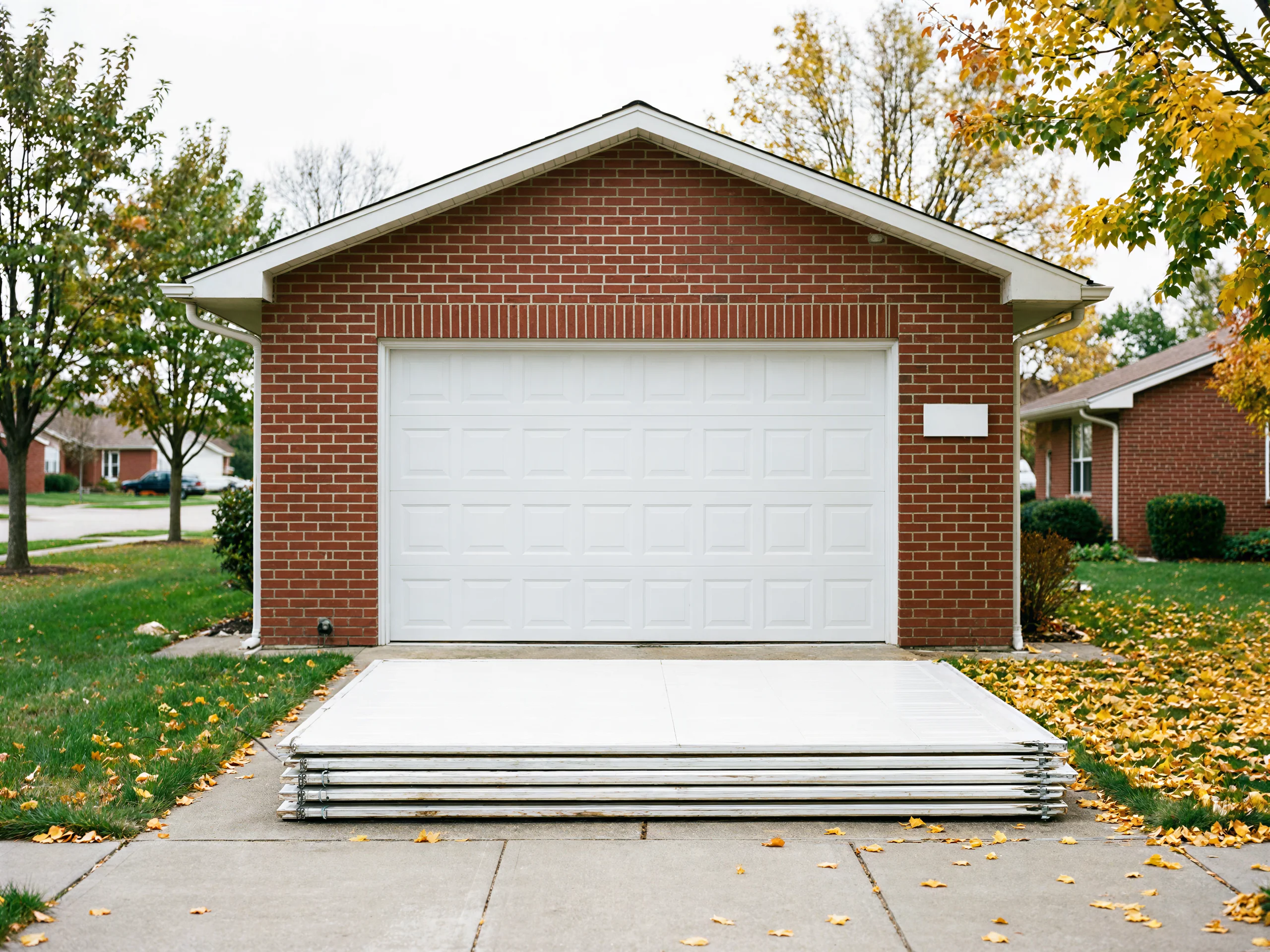
A white garage door is on a brick garage with new door panels stacked on the driveway.

New Door Installation

Cortland's housing stock dates mostly to the 1990s, newer than the rest of the DeKalb area, so new garage door installs face different sizing and code needs. Learn more →
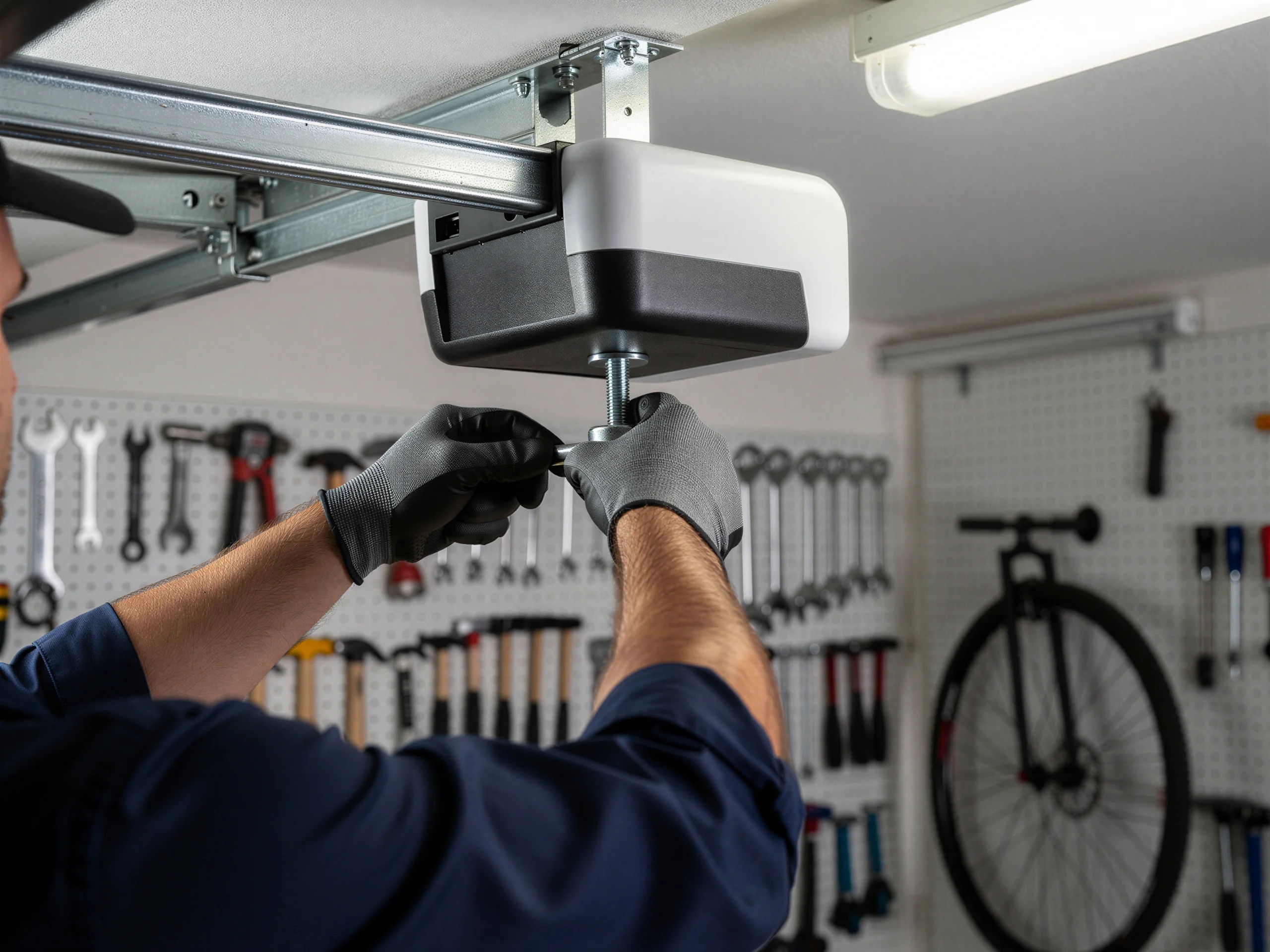
A technician installs a garage door opener in a garage with tools on a pegboard.

Opener Installation

Cortland homes mostly went up in the 1990s, which means openers from that build wave are hitting 25-30 years old. Learn more →
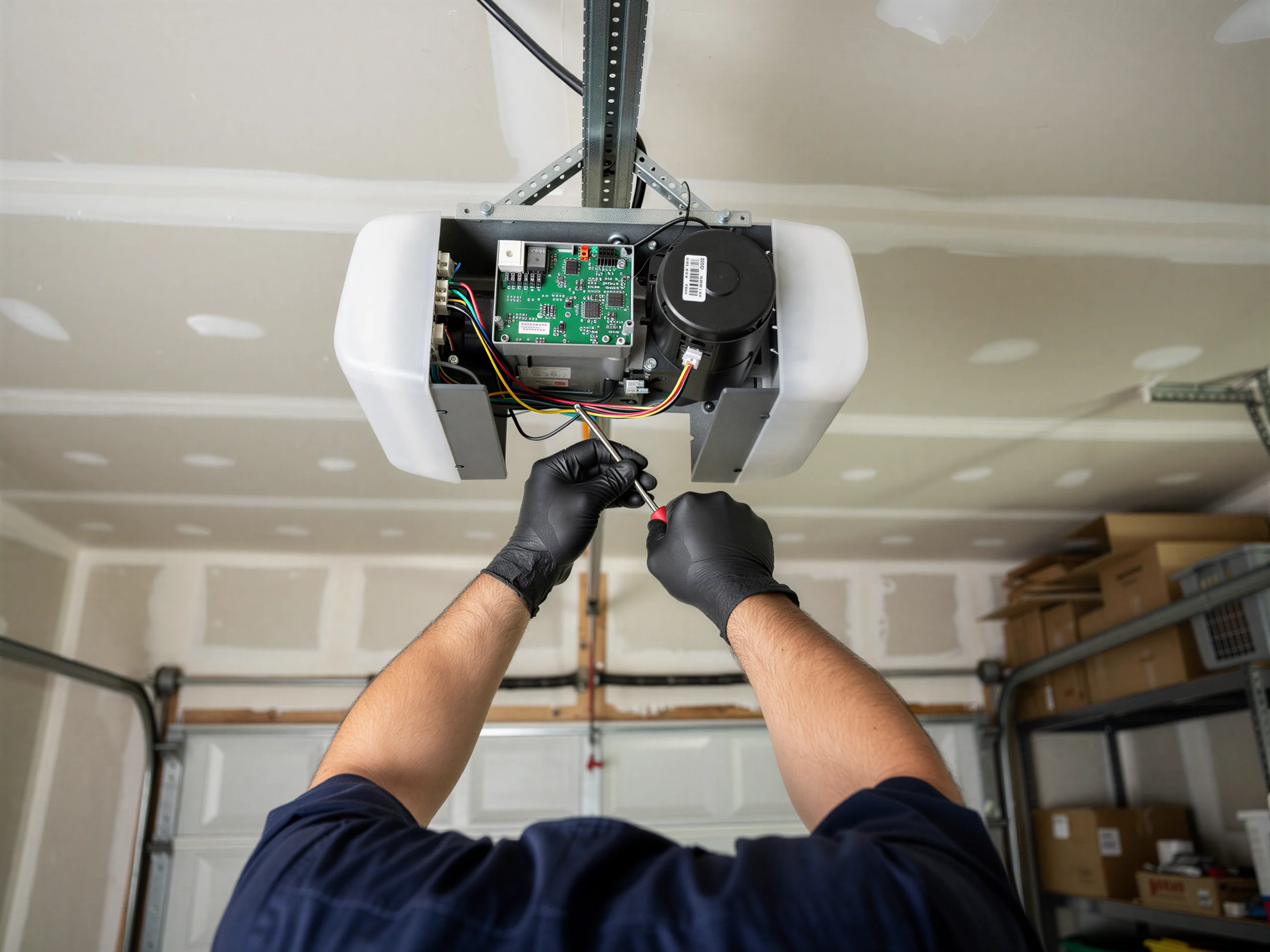
A technician in black gloves repairs an open garage door opener with a screwdriver.

Opener Repair

Opener repair for Cortland, IL homes built mostly after 1996 - three miles from our DeKalb shop, serving a town of 1,577 households through cold Illinois winters. Learn more →
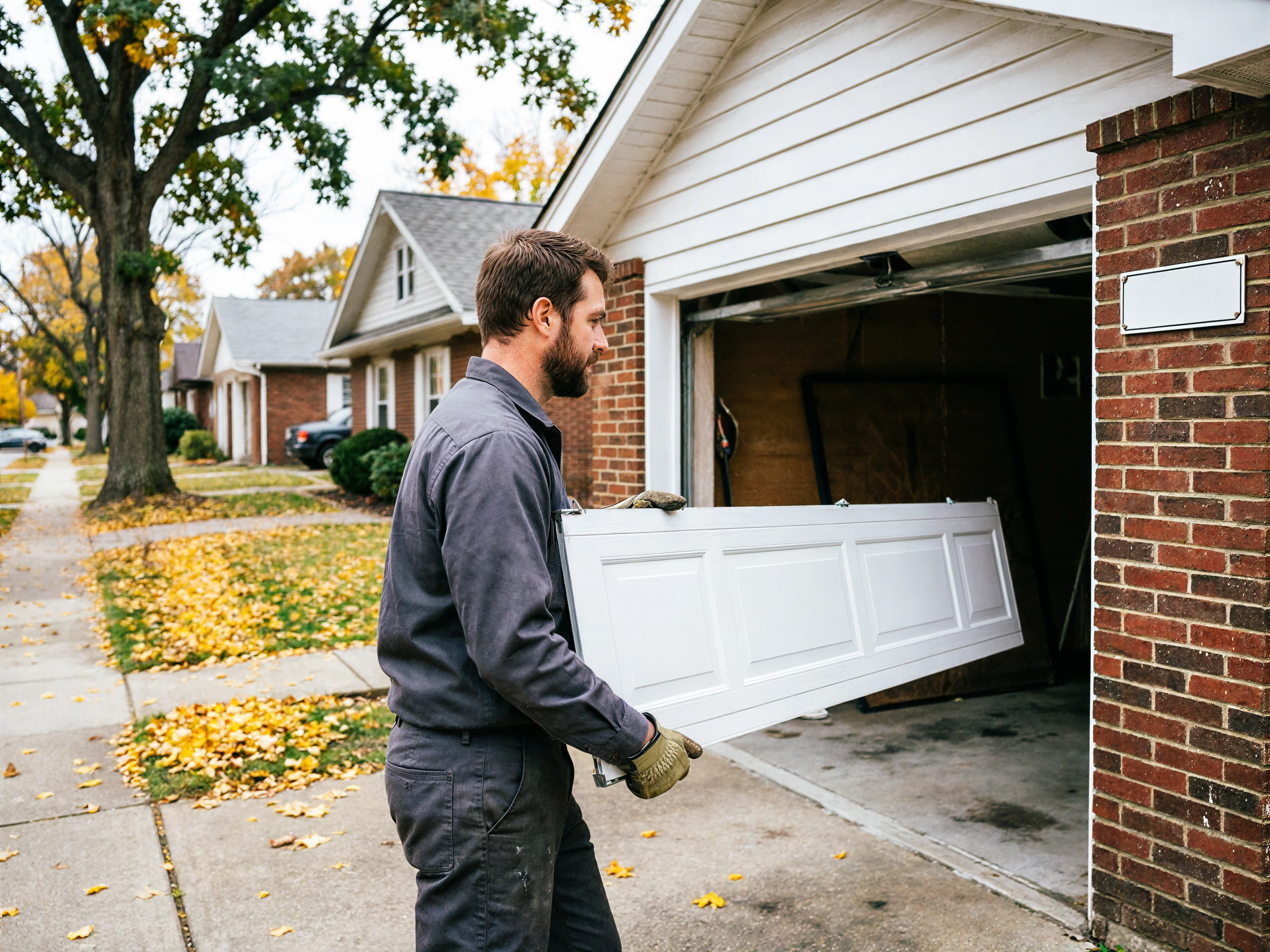
A technician carries a white garage door panel into a brick garage.

Panel Replacement

Cortland's houses are newer than most of the DeKalb area, and that changes which panel problem shows up first. Learn more →
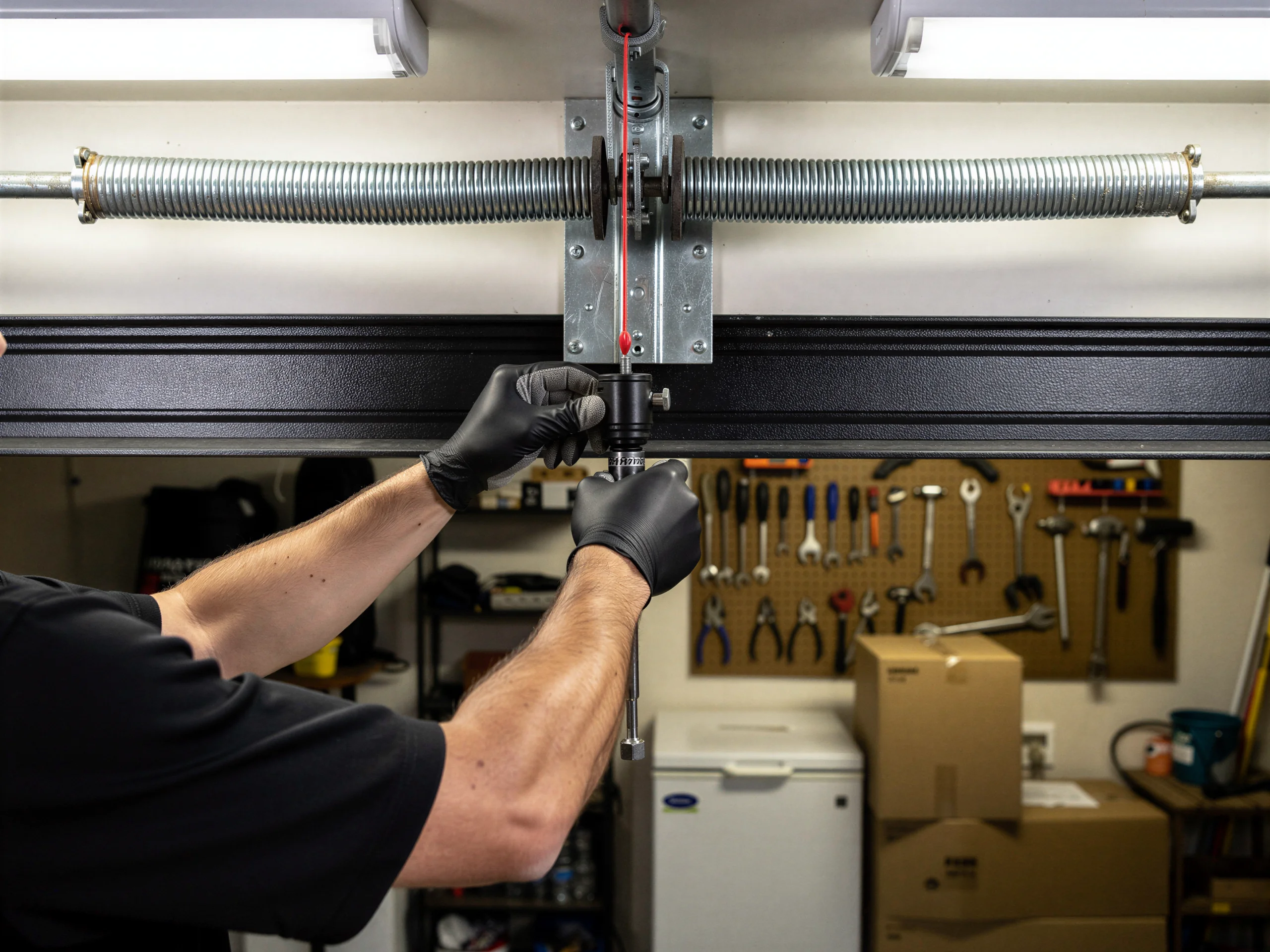
A technician in black gloves adjusts a garage door torsion spring.

Spring Repair

Cortland's houses mostly went up after 1996, newer than most of the DeKalb area. Learn more →

Ready when you are

Need a garage door sorted in DeKalb?

DeKalb Garage Door Pros repairs and installs garage doors, springs and openers in DeKalb, IL and the surrounding area.

Call NowGet a quote