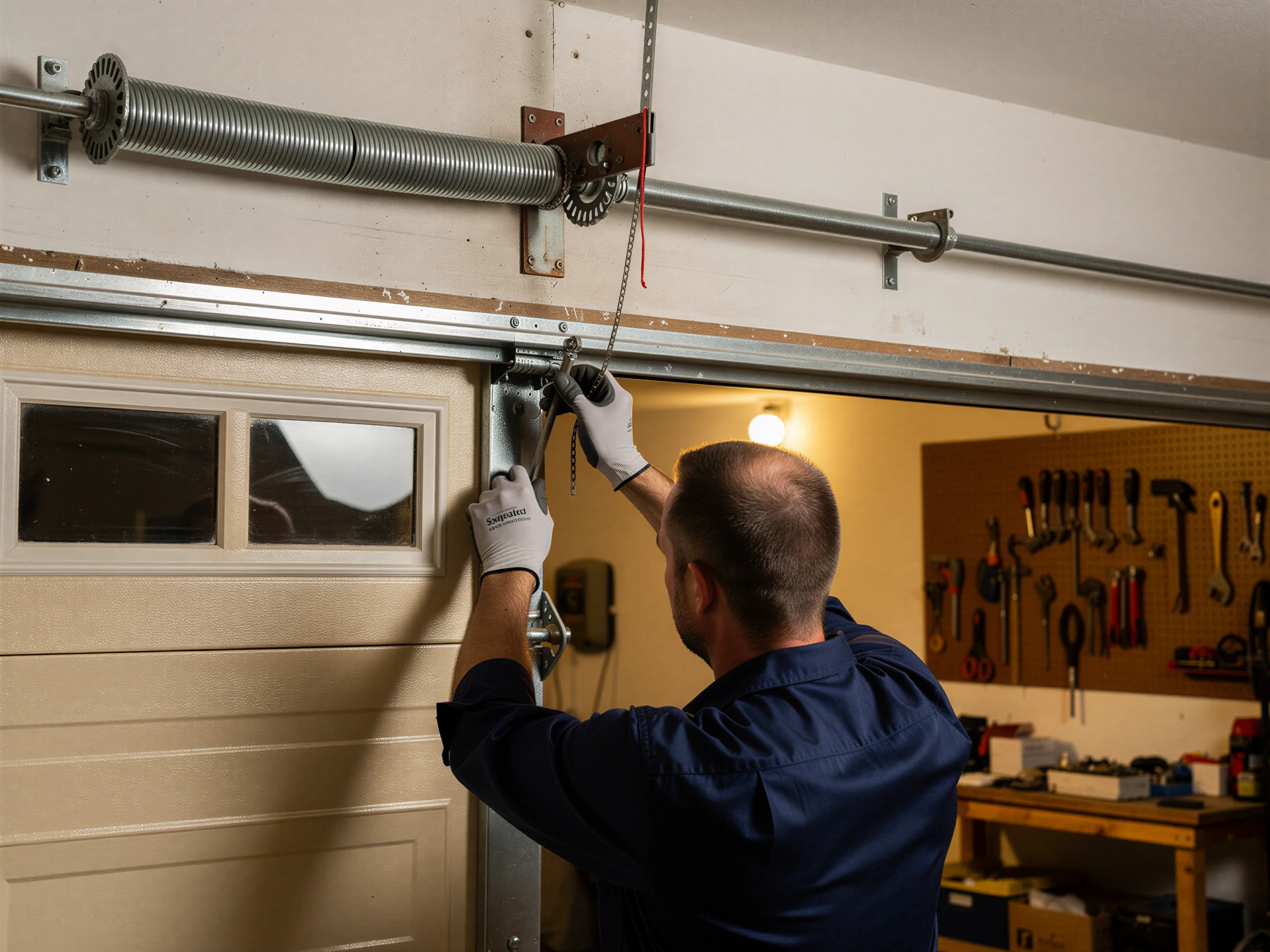
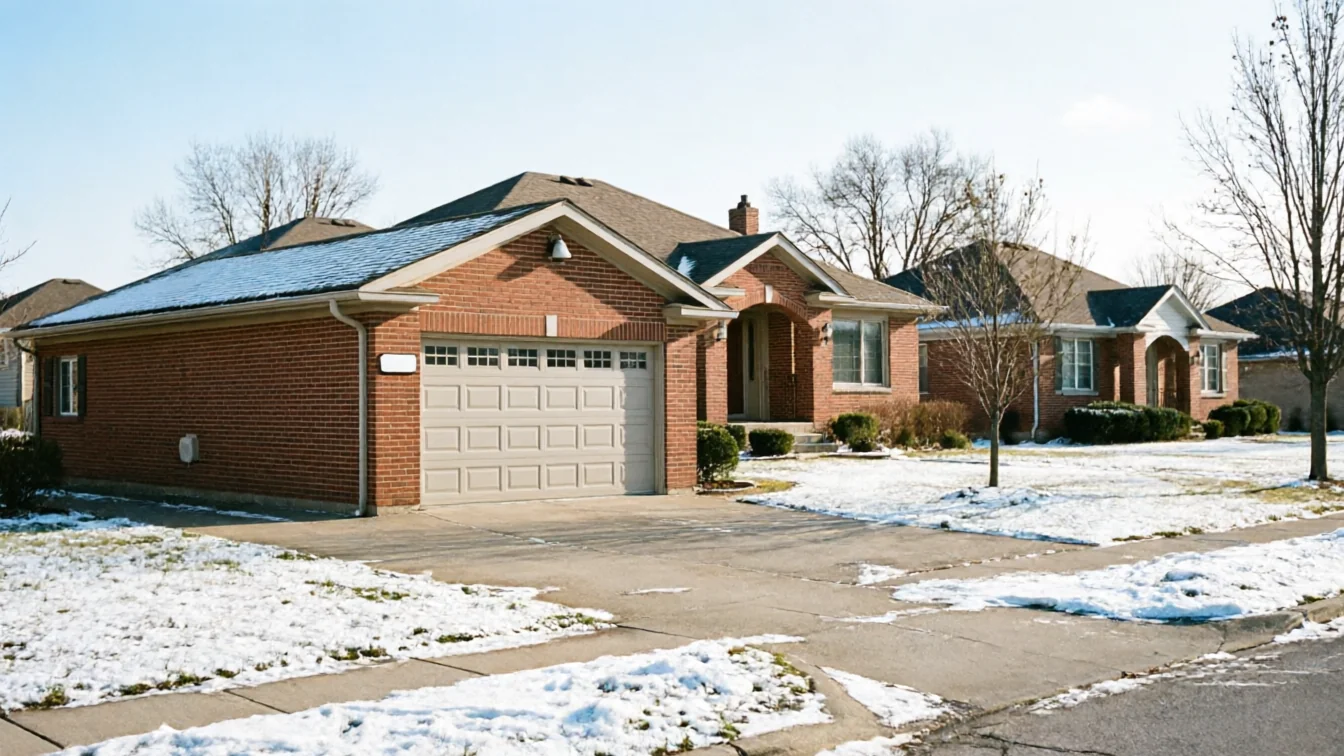
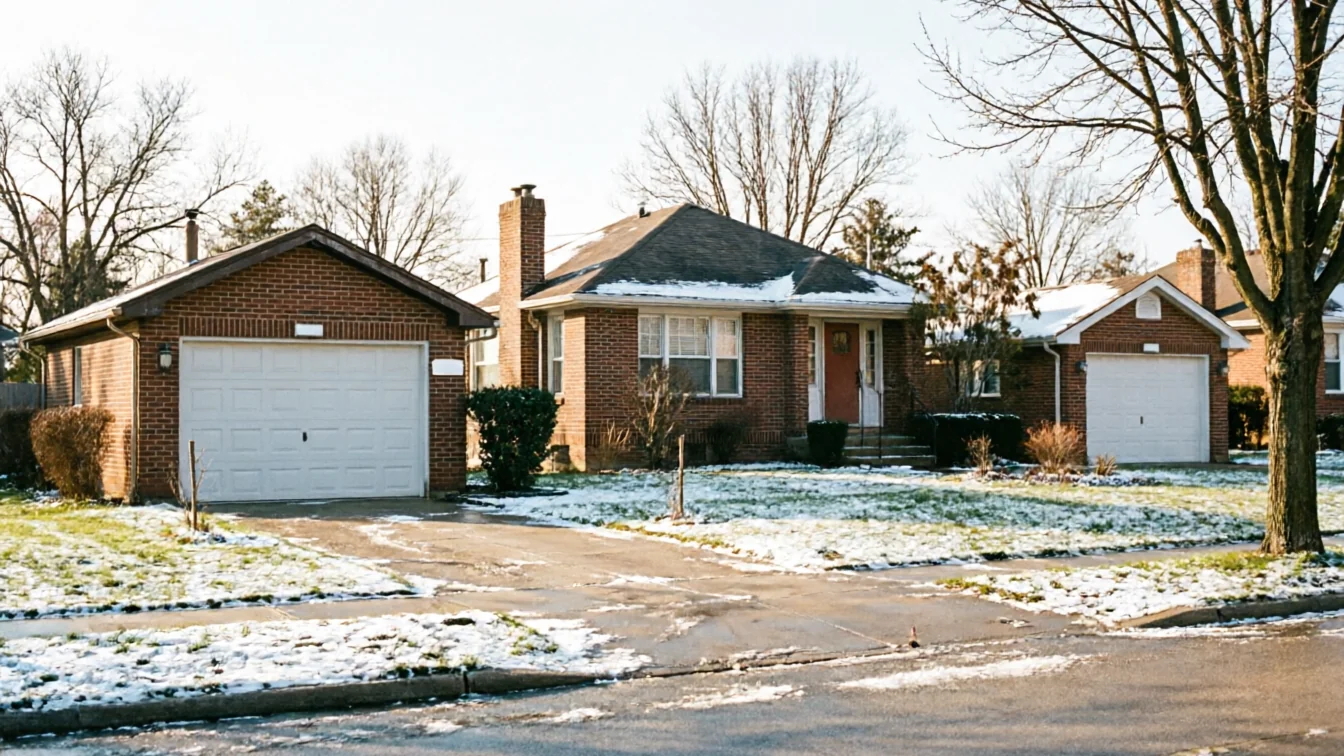
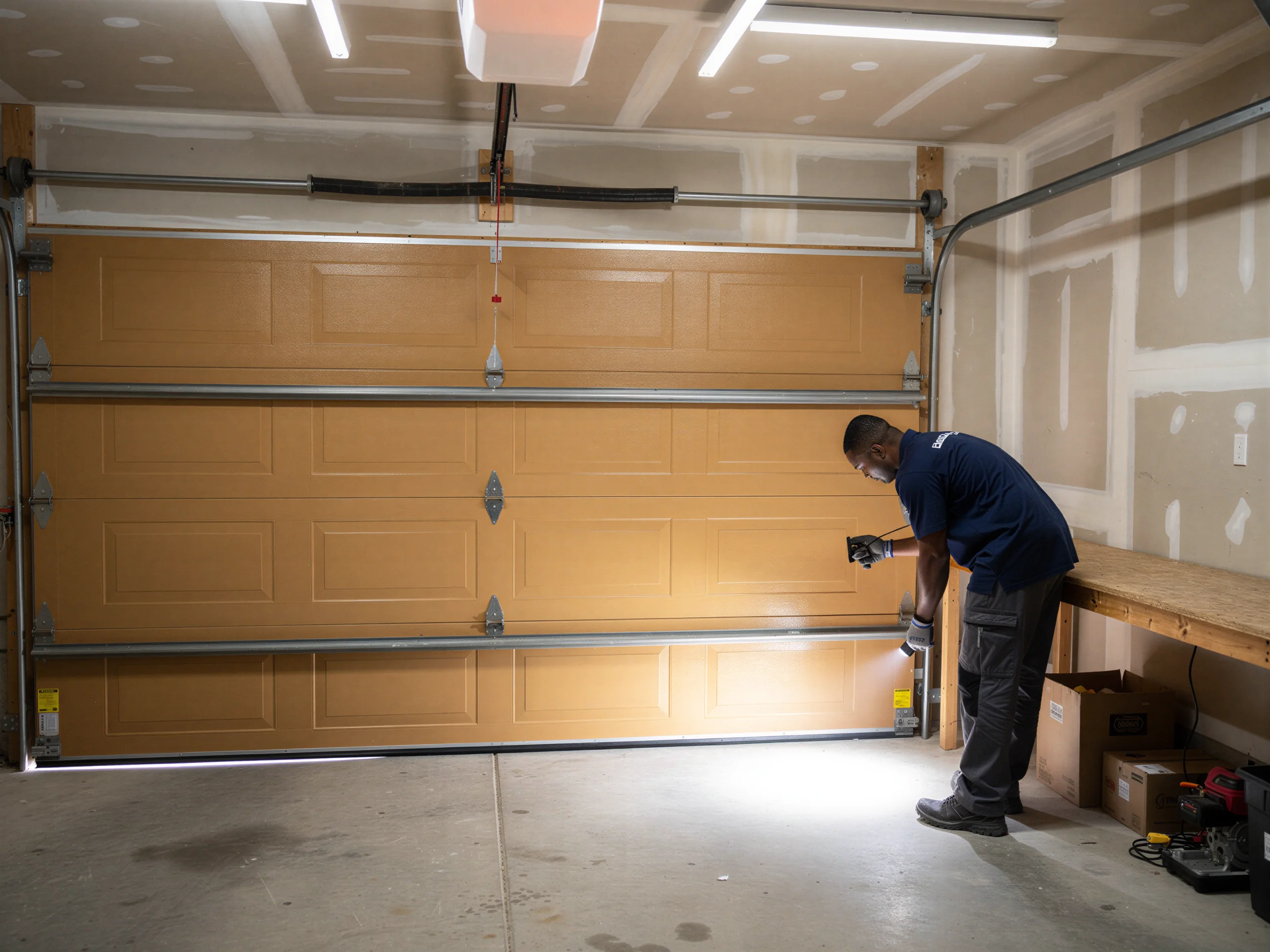
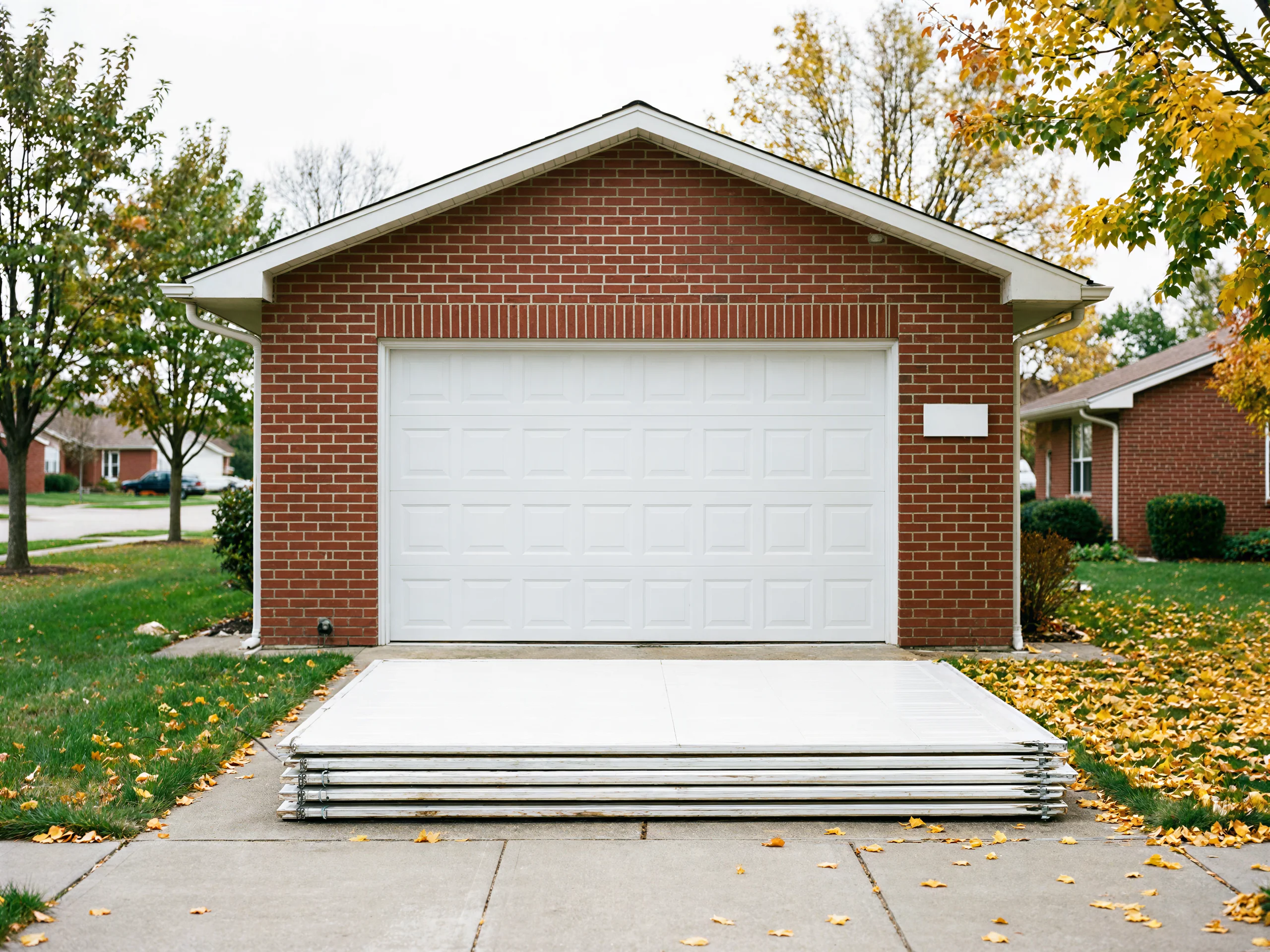
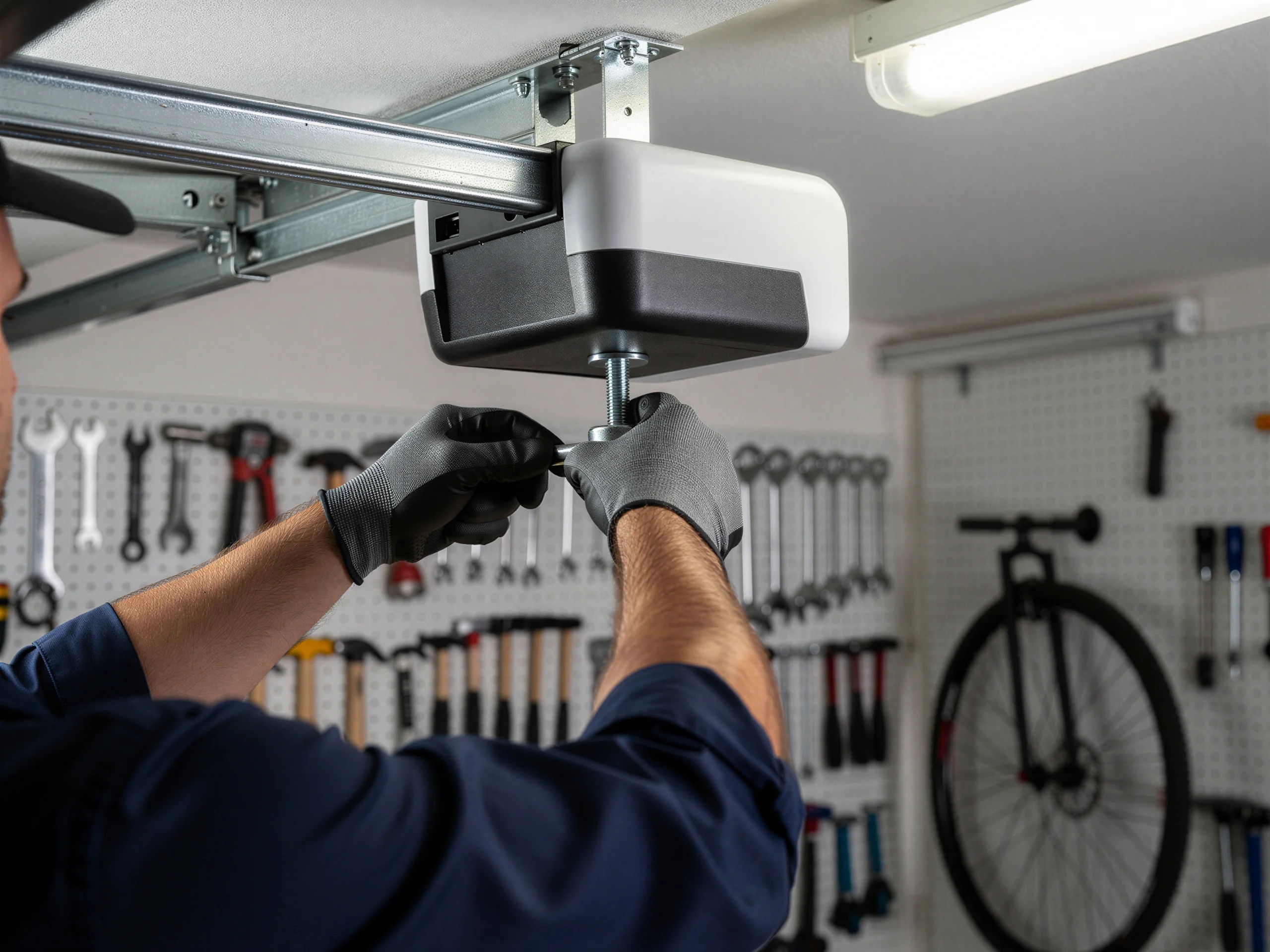
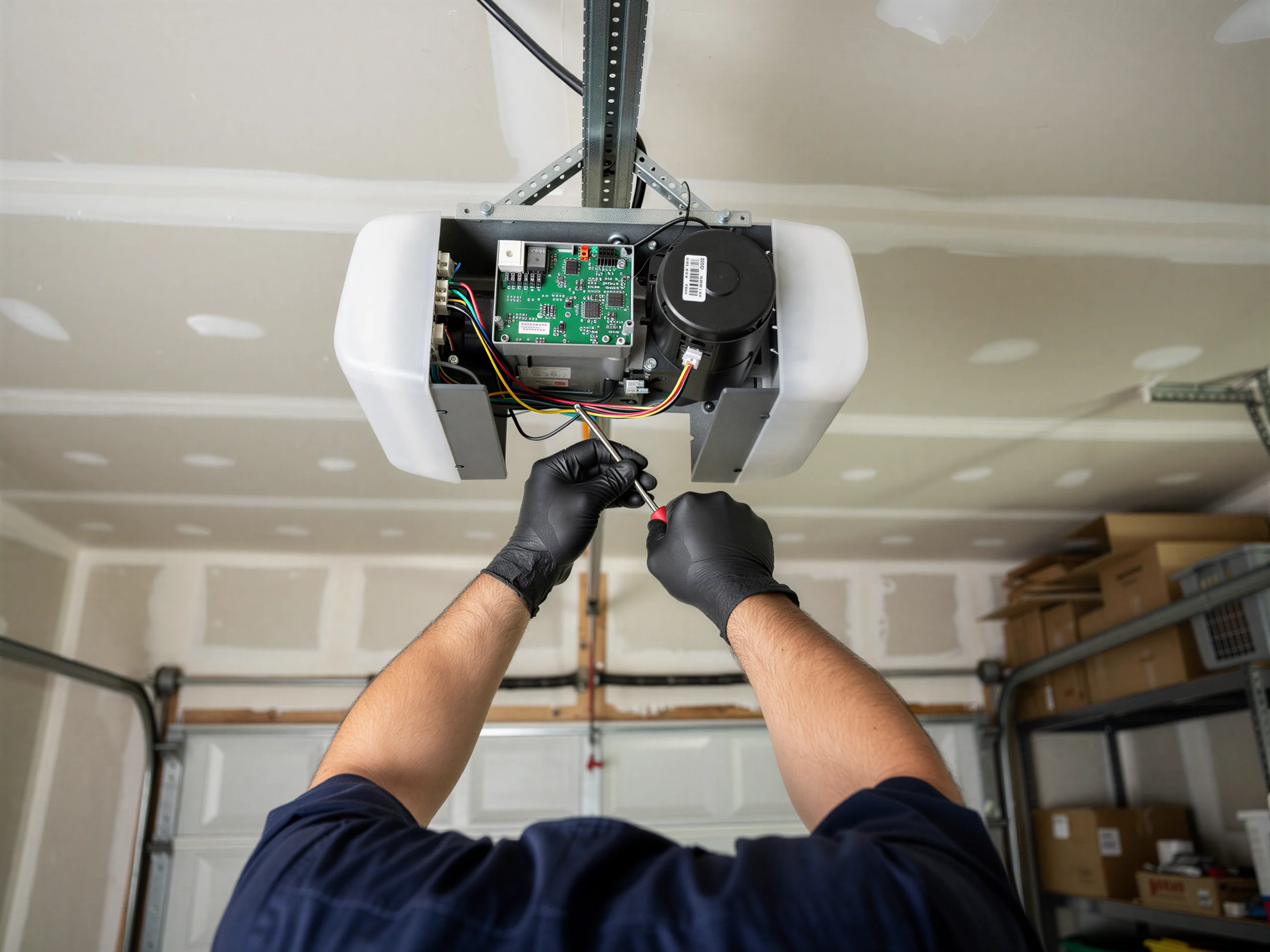
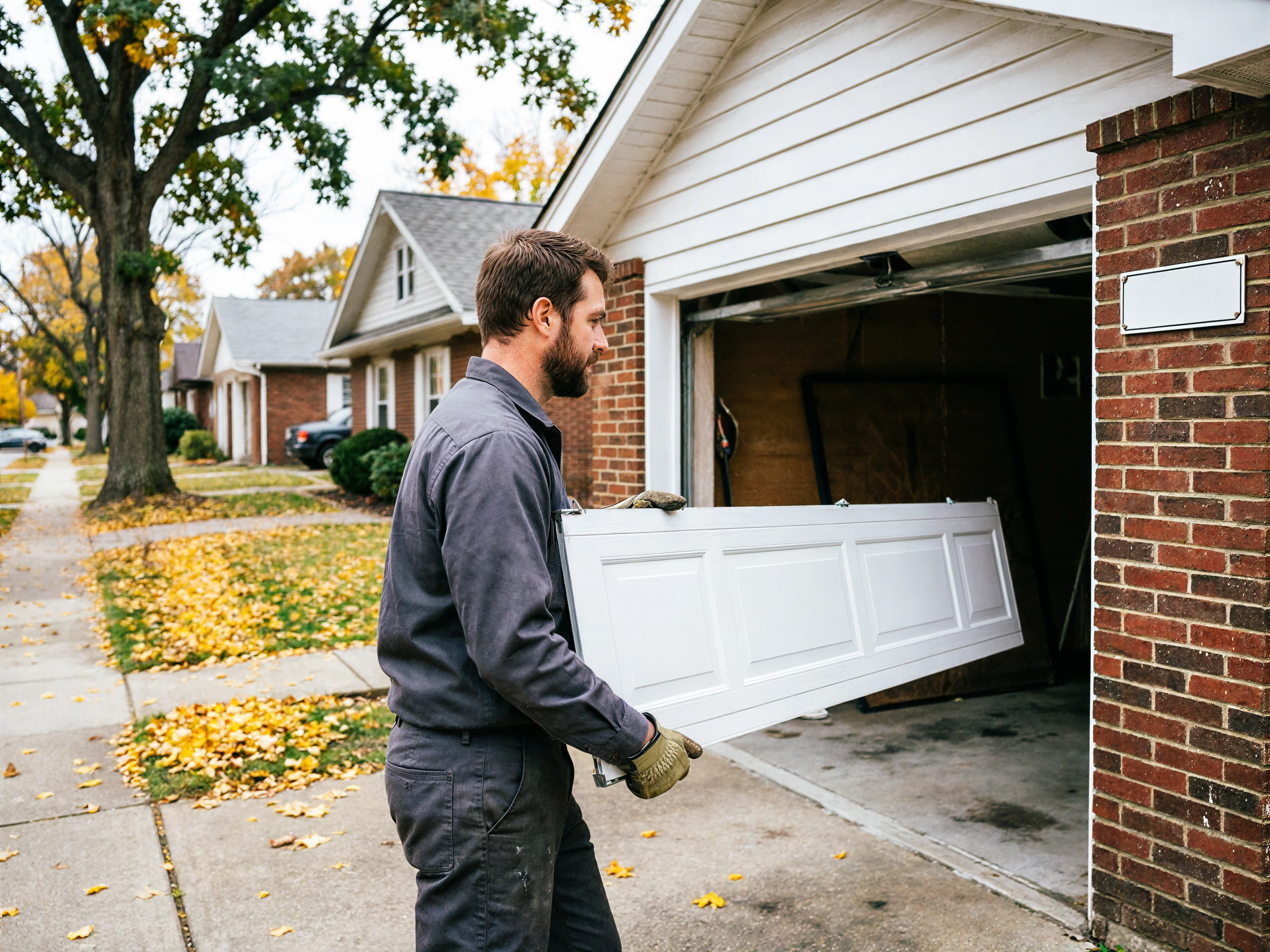
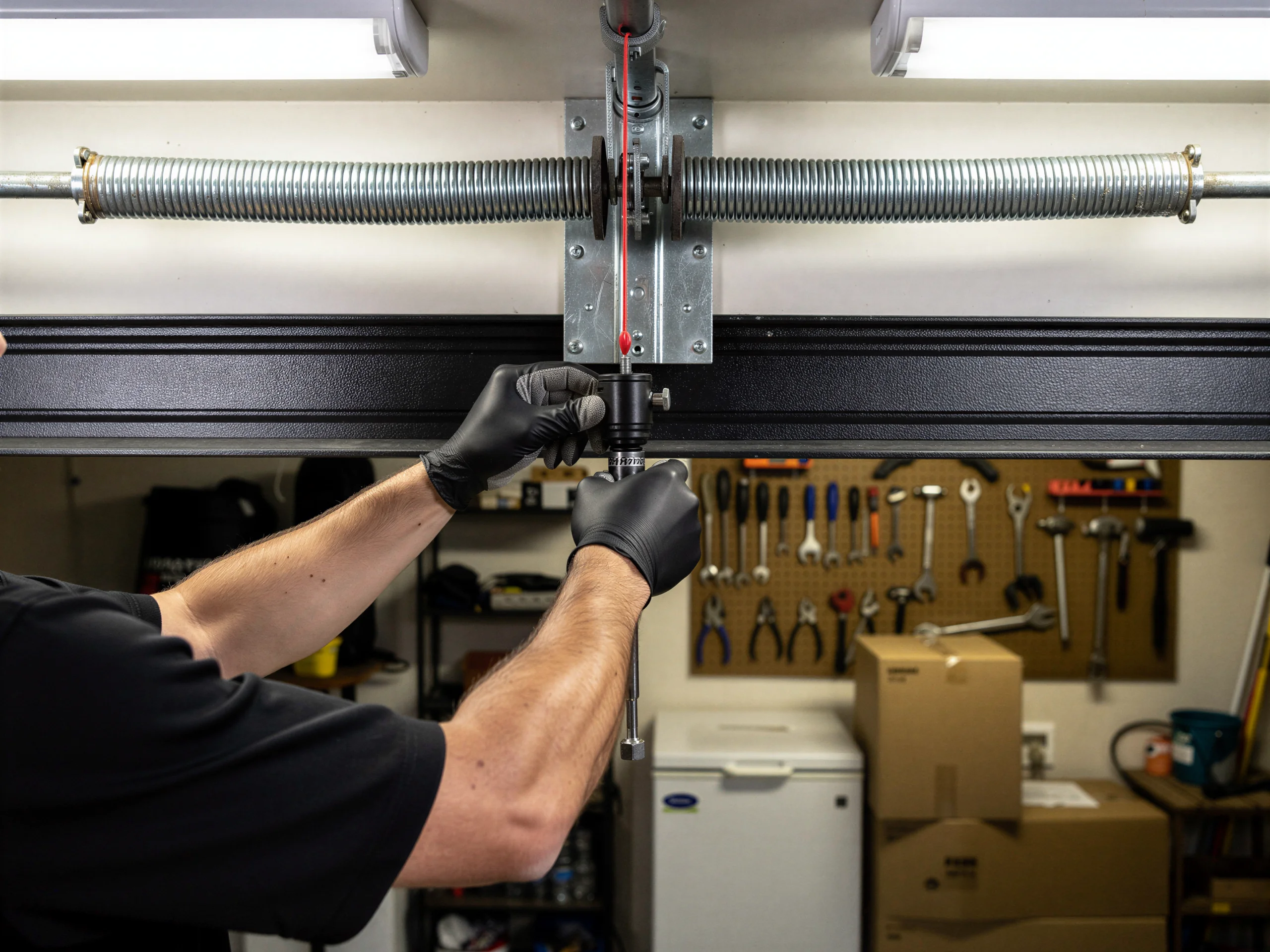
Hampshire is a small town - about 2,598 households - which means the pattern of calls we see here looks nothing like the volume we get closer to DeKalb. Fewer houses means fewer breakdowns on any given week, but it doesn't mean fewer problems per house. Most of Hampshire went up around 2003, which puts it well ahead of the 1960s-70s stock that makes up most of the broader DeKalb service area, where houses typically date from 1959 to 2009 with a lot clustered in that older band. That gap matters. A 2003-built door isn't fighting the same age-related wear as a 1965 door - the steel skins, the seals, and the torsion hardware are a different generation. What fails instead is the stuff that comes standard on a newer build: opener logic boards that drift out of calibration, factory-set travel limits that slip, and photo-eye sensors mounted low enough to catch snow kicked up off a driveway. Cold-climate stress on these systems shows up as openers that reverse for no reason or doors that won't seat flush in January, not as the rusted-through brackets you'd find on an older door.